
Topical Analgesics: Lidocaine, Capsaicin, and NSAID Gels for Localized Pain Relief
What Are Topical Analgesics and Why Do They Work?
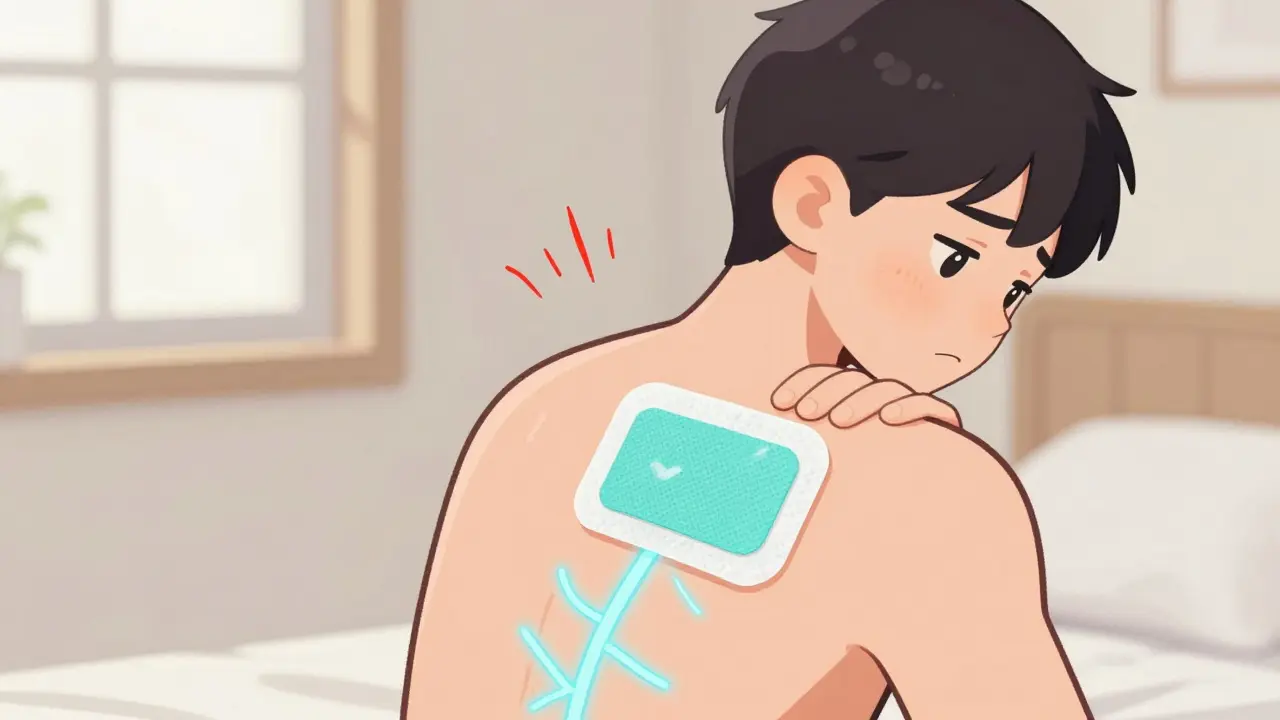
Topical analgesics are pain-relieving creams, gels, or patches you apply directly to your skin. Unlike pills that travel through your bloodstream, these work right where you hurt-knees, shoulders, back, or sore muscles. They don’t flood your whole body with drugs. Instead, they block pain signals at the source. This makes them a smart choice if you’re worried about stomach issues from oral NSAIDs, liver stress from acetaminophen, or drowsiness from stronger meds.
There are three main types: lidocaine, capsaicin, and NSAID gels. Each works differently. Lidocaine numbs nerves like a local anesthetic. Capsaicin burns at first, then shuts down pain signals. NSAID gels reduce swelling and inflammation right in the tissue. All three have strong research backing, especially for joint pain, nerve pain, and muscle strains.
Lidocaine Patches: The Numbing Solution for Nerve Pain
Lidocaine patches, like Lidoderm®, are the go-to for nerve pain such as postherpetic neuralgia-those sharp, burning pains that linger after shingles. The 5% patch delivers just enough lidocaine to block sodium channels in nerves, stopping pain signals before they reach your brain. You can wear up to three patches a day, but only for 12 hours at a time. After that, you take them off for at least 12 hours to let your skin recover.
Studies show it takes about 6.7 people using lidocaine patches for one person to get meaningful pain relief (that’s the NNT-number needed to treat). It’s not the strongest option out there, but it’s one of the safest. Systemic absorption is tiny-only about 63 mg over 12 hours, and blood levels stay under 10% of what would trigger heart rhythm problems. That’s why it’s often used in older adults or people on multiple medications.
Side effects? Maybe a little redness or itching where you put it. About 5-15% of users report this. But no dizziness, no constipation, no risk of addiction. It’s not for deep joint pain or muscle aches-only surface-level nerve pain. If your pain is under the skin, this won’t reach it.
Capsaicin Patches: Burn to Heal
Capsaicin comes from chili peppers. The 8% patch, called Qutenza®, is strong enough to require a doctor’s application. It’s not something you buy over the counter. When applied, it triggers a burning sensation that lasts 30 to 60 minutes. That’s not a mistake-it’s how it works. Capsaicin overloads the TRPV1 receptors on pain nerves, which eventually shuts them down for weeks.
For postherpetic neuralgia, clinical trials show one 60-minute application can reduce pain by half for up to 12 weeks. The NNT is 4.4, meaning almost half the people who use it get real relief. That’s better than many oral drugs for nerve pain, and without the brain fog or weight gain.
But here’s the catch: the burn is intense. About 30-50% of people stop using it because of the discomfort. That’s why it’s done in a clinic. The doctor wears gloves, uses a special applicator, and may give you a numbing cream first. You can’t use it on broken skin, near your eyes, or on mucous membranes. Even a tiny bit in your nose can cause serious irritation.
OTC capsaicin creams (0.025-0.1%) exist, but they’re weak. They need to be applied 3-4 times a day for weeks before you feel anything. The 8% patch? One application, long-lasting effect. But it’s expensive-around $1,000 per treatment-and not always covered by insurance.
NSAID Gels: The Anti-Inflammatory Choice
NSAID gels like Voltaren (diclofenac 1%) are the most popular topical pain relievers. They work by blocking COX enzymes right in the skin and muscles, cutting down on prostaglandins-the chemicals that cause swelling and pain. Microdialysis studies show these gels reach tissue concentrations 10 to 100 times higher than what’s in your blood. That means they’re working exactly where you need them.
For knee osteoarthritis, clinical trials show about 60% of users get at least 50% pain reduction after four weeks. That’s comparable to oral NSAIDs, but with far fewer side effects. Only 0.03% of people using topical NSAIDs get stomach ulcers, compared to 1.5% with pills. They’re especially good for joints close to the skin-knees, hands, elbows. Not so much for hips or lower back.
You apply it 4 times a day, about 2-4 inches of gel each time. Don’t just dab it on. Rub it in gently until it disappears. Wait 30-45 minutes before washing your hands or covering the area. Many users report it takes a while to kick in, but then lasts 5-6 hours. One Reddit user said, “Voltaren takes 45 minutes to work but gives me 6 hours of relief without stomach issues.” That’s the sweet spot.
Warnings? The FDA says all NSAIDs-even topical ones-carry a small cardiovascular risk. Don’t use them if you’ve had a heart attack or stroke. Also, avoid them if you’re allergic to aspirin. And never use them on open wounds or with a heating pad.

How Do They Compare? A Quick Breakdown
| Feature | Lidocaine Patch (5%) | Capsaicin Patch (8%) | NSAID Gel (1% Diclofenac) |
|---|---|---|---|
| Best for | Postherpetic neuralgia, localized nerve pain | Postherpetic neuralgia, diabetic neuropathy | Osteoarthritis (knees, hands), muscle strains |
| How it works | Blocks nerve signals | Depletes pain neurotransmitters | Reduces inflammation locally |
| Onset of action | 1-2 hours | After 1-2 days (burning phase) | 30-45 minutes |
| Duration of effect | 12 hours per patch | Up to 12 weeks after one application | 5-6 hours per application |
| Application frequency | 1-3 patches/day, 12 hours on/off | One application every 3 months (clinic only) | 4 times daily |
| NNT for pain relief | 6.7 | 4.4 | 2.7 |
| Common side effects | Redness, itching at site | Severe burning, skin irritation | Dryness, mild rash, odor |
| Prescription needed? | Yes | Yes | Yes (OTC versions exist at lower strength) |
Who Should Use Each Type?
If you have nerve pain from shingles or diabetes, lidocaine patches are a safe, low-risk starting point. They’re easy to use, and you can try them without a doctor’s visit if your country allows OTC versions. But if your nerve pain is severe and hasn’t improved with other treatments, ask about the 8% capsaicin patch. It’s a game-changer-if you can handle the burn.
If your pain comes from arthritis or overuse-like a swollen knee after gardening or stiff fingers in the morning-NSAID gels are your best bet. They’re cheaper than capsaicin patches, work faster than lidocaine, and don’t require a clinic visit. Just be consistent: 4 times a day, every day, for at least 2 weeks. Many people give up too soon.
People over 65, those on blood thinners, or with kidney problems often do better with topical options. A 2022 Medicare study found 42% of seniors use topical analgesics for joint pain. Why? Because they avoid stomach bleeds, liver damage, and drug interactions that come with pills.
Common Mistakes and How to Avoid Them
Even the best medicine fails if you use it wrong. Here’s what most people mess up:
- Using too little gel. Most people apply a pea-sized amount. You need a 2-4 inch ribbon-about the length of your index finger. If it’s not visible after rubbing, you didn’t use enough.
- Not waiting for absorption. Don’t wash your hands right after applying NSAID gel. Don’t cover the area with a bandage. Don’t use a heating pad. All of this increases absorption and risk.
- Applying to broken skin. If you’ve got a cut, rash, or sunburn where you want to put the patch or gel, skip it. You’ll get more irritation than relief.
- Expecting instant results. Capsaicin needs days. NSAID gels need a week. Lidocaine works in hours, but only if you wear it long enough. Patience matters.
- Using multiple products together. Don’t layer lidocaine on top of capsaicin. Don’t use an NSAID gel with a heating patch. You can increase side effects without increasing benefit.

What’s Next? The Future of Topical Pain Relief
Scientists are working on better ways to get drugs deeper into the skin. A new nanoemulsion version of diclofenac, tested in late 2023, delivered 2.3 times more medicine to the tissue without raising blood levels. That could mean stronger pain relief with even fewer side effects.
Resiniferatoxin (RTX), a super-strong cousin of capsaicin, shows promise for osteoarthritis. But right now, it doesn’t absorb well through the skin. Researchers are testing gels with tiny carriers to help it penetrate. If it works, we could see a new class of long-lasting, non-addictive pain treatments.
As opioid prescriptions drop and aging populations grow, topical analgesics are becoming a cornerstone of pain management. The global market is expected to hit $8.7 billion by 2028. That’s not because they’re magic. It’s because they work-safely, locally, and without wrecking your insides.
Frequently Asked Questions
Can I use topical analgesics with oral painkillers?
Yes, but with caution. Topical NSAIDs can be combined with acetaminophen safely. Avoid combining topical NSAIDs with oral NSAIDs like ibuprofen or naproxen-this increases the risk of side effects without adding much benefit. Lidocaine and capsaicin patches are generally safe with most oral meds, including antidepressants or anticonvulsants used for nerve pain. Always check with your doctor if you’re on blood thinners or have kidney disease.
How long does it take for lidocaine patches to work?
You should start feeling relief within 1 to 2 hours after applying the patch. For best results, wear it for the full 12 hours. Don’t remove it early thinking it’s not working. The effect builds over time. Some people need 3-5 days of consistent use before noticing major improvement, especially with chronic nerve pain.
Is capsaicin patch worth the pain?
For many people with severe nerve pain, yes. The initial burning lasts only 30-60 minutes and fades quickly. After that, pain relief can last up to 12 weeks. One application replaces daily pills. If you’ve tried other treatments without success, and your pain is localized, the temporary discomfort is often worth the long-term gain. But if you’re sensitive to pain or anxious about burning sensations, talk to your doctor about alternatives.
Can I use NSAID gel for back pain?
It depends. NSAID gels work best on joints close to the skin-like knees, elbows, wrists, and hands. For lower back pain, especially if it’s deep or from a disc issue, the gel won’t penetrate far enough. You might get mild relief if the pain is from tight muscles near the surface, but don’t expect miracles. For deep back pain, physical therapy, heat, or oral meds may be more effective.
Are there any OTC options for these?
Yes, but they’re weaker. You can buy lidocaine creams (up to 4%) and capsaicin creams (0.025-0.1%) without a prescription. NSAID gels like diclofenac are available OTC in some countries at 1% strength (e.g., Voltaren Emulgel). These are good for mild pain or trying before prescription options. But don’t expect the same results as the stronger versions. They require more frequent use and take longer to work.
Final Thoughts: When Topical Pain Relief Makes Sense
Topical analgesics aren’t a cure-all. But for localized pain-nerve pain, arthritis, strains-they’re one of the safest, most effective tools we have. They don’t replace physical therapy or exercise. But they let you move without pain, which is half the battle.
If you’re tired of stomach upset from pills, or scared of addiction from opioids, these options give you control. You decide where to apply them, how much to use, and when to stop. No systemic side effects. No daily pill burden. Just targeted relief.
Start with an NSAID gel for joint pain. Try lidocaine for nerve pain. If those don’t work, ask your doctor about the capsaicin patch. And remember: consistency beats intensity. Use them as directed, give them time, and don’t skip the application.
Nicole Rutherford
December 19, 2025 AT 10:31NSAID gel works if you actually use enough. Most people dab a pea-sized blob like it's toothpaste. You need a full finger-length. Rub it in like you're trying to massage your soul out of the skin.
William Storrs
December 20, 2025 AT 01:39Consistency beats intensity every time. Don't quit after two days. Give it a week. Your body will thank you.
James Stearns
December 21, 2025 AT 19:17Furthermore, the assertion that 'they don't wreck your insides' is not merely imprecise-it is dangerously reductive. The endothelial dysfunction induced by prostaglandin inhibition, even at low systemic concentrations, warrants rigorous patient counseling. This post reads like a pharmaceutical brochure, not a medical advisory.
Nina Stacey
December 23, 2025 AT 02:15Dominic Suyo
December 24, 2025 AT 19:42And don’t get me started on the ‘nanoemulsion’ nonsense. Sounds like a tech bro’s pitch deck. Real medicine doesn’t need buzzwords. It needs data. And the data says: gel wins. Everything else is theater.
Kevin Motta Top
December 25, 2025 AT 18:41NSAID gel for knee pain? Works. Lidocaine for nerve pain? Works. Capsaicin? Only if you’re tough. And yes, use the whole finger-length of gel. I learned that the hard way too.
Alisa Silvia Bila
December 27, 2025 AT 16:02And honestly, the fact that you can avoid stomach issues and liver stress with these? That’s huge. Especially for older folks on a dozen pills already.
William Liu
December 28, 2025 AT 04:34