
Polysomnography Explained: What to Expect During a Sleep Study and How to Read Results
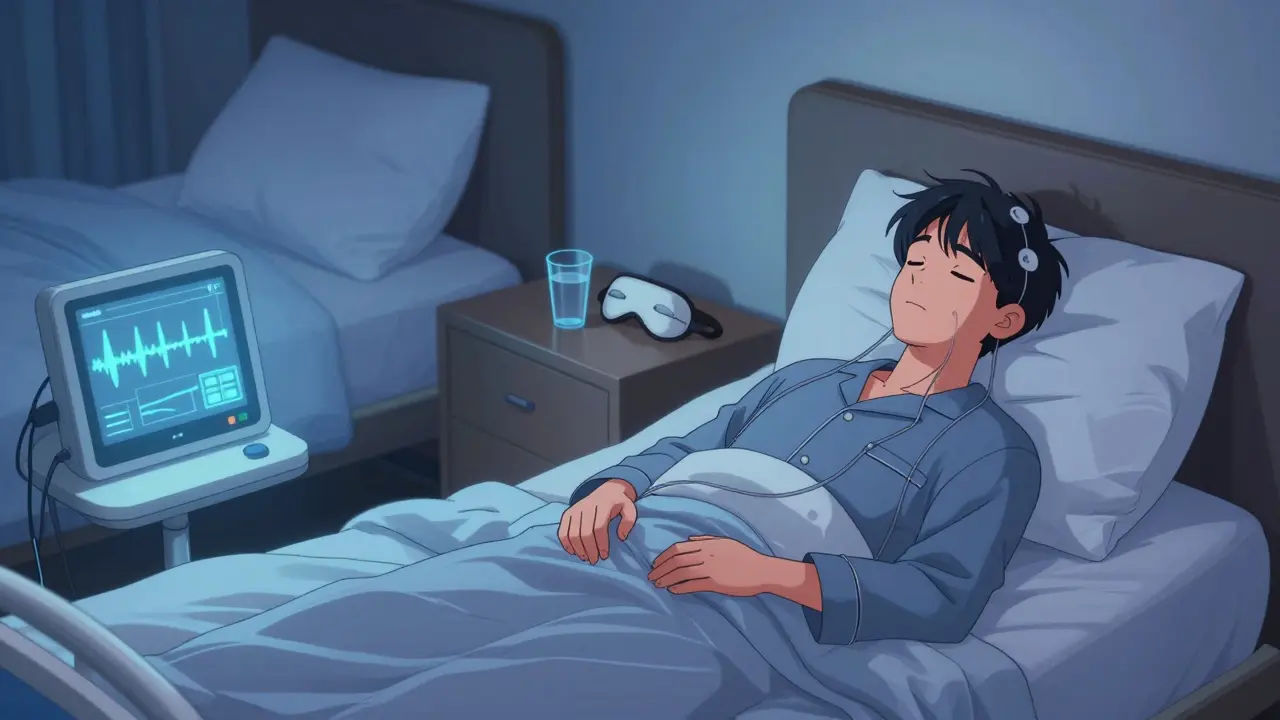
Do you snore loudly enough to wake up your partner? Do you feel exhausted no matter how many hours you spend in bed? If so, your doctor might have recommended a polysomnography, commonly known as a comprehensive overnight sleep study. This isn't just a quick check-up; it is the medical gold standard for diagnosing complex sleep disorders. While the idea of sleeping in a hospital with wires attached to your head sounds intimidating, understanding exactly what happens during this test can turn anxiety into relief.
A polysomnography records multiple physiological signals while you sleep. It captures brain waves, eye movements, muscle activity, heart rhythm, and breathing patterns. Unlike simpler home tests that only track breathing, this procedure provides a complete picture of your sleep architecture. In this guide, we will break down what the test involves, how it differs from home alternatives, and most importantly, how to interpret the results that will change your health trajectory.
What Exactly Is Polysomnography?
The word itself breaks down into three parts: 'poly' (many), 'somno' (sleep), and 'graphy' (recording). This definition tells you everything you need to know about the scope of the test. It is not a single measurement but a symphony of data points collected simultaneously.
During a standard in-lab polysomnography, certified sleep technologists attach sensors to various parts of your body. These sensors monitor at least seven key parameters:
- Brain Activity (EEG): Electrodes on your scalp record electrical activity to determine which stage of sleep you are in, distinguishing between Non-Rapid Eye Movement (NREM) and Rapid Eye Movement (REM) sleep.
- Eye Movements (EOG): Sensors near your eyes detect rapid eye movements, which are a hallmark of REM sleep.
- Muscle Tone (EMG): Electrodes on your chin and legs measure muscle tension. This helps identify abnormal movements like those seen in Restless Legs Syndrome or REM Behavior Disorder.
- Heart Rhythm (ECG): Leads on your chest monitor your heart rate and rhythm to catch any cardiac irregularities that occur during sleep.
- Respiratory Effort: Belts around your chest and abdomen track how hard your respiratory muscles are working.
- Airflow: Nasal pressure transducers and thermistors detect whether air is moving in and out of your nose and mouth.
- Blood Oxygen Saturation: A pulse oximeter on your finger measures the oxygen level in your blood, detecting drops that signal breathing pauses.
Additionally, audio-video recording captures snoring sounds and unusual behaviors. The combination of these data streams allows physicians to diagnose conditions that isolated tests miss, such as narcolepsy, parasomnias, or central sleep apnea.
In-Lab Polysomnography vs. Home Sleep Apnea Tests
You might wonder if you really need to go to a clinic when you can buy a kit online. There is a significant difference between a Home Sleep Apnea Test (HSAT) and an in-lab polysomnography.
| Feature | In-Lab Polysomnography | Home Sleep Apnea Test (HSAT) |
|---|---|---|
| Parameters Monitored | 7-16+ (Brain, Eyes, Muscles, Heart, Breathing, etc.) | 3-4 (Breathing effort, Airflow, Oxygen, Heart Rate) |
| Sleep Staging | Yes (EEG tracks NREM/REM cycles) | No (Cannot distinguish sleep stages) |
| Supervision | Certified Technologist present all night | Unsupervised |
| Failure Rate | Low (2-5%) | Higher (15-20% due to poor data quality) |
| Diagnoses Possible | All sleep disorders (Apnea, Narcolepsy, Parasomnias) | Obstructive Sleep Apnea only |
| Cost | Higher (but often covered by insurance) | Lower upfront cost |
Home tests are useful for uncomplicated cases of suspected obstructive sleep apnea. However, they fail to capture sleep staging. Without knowing if you were actually asleep when a breathing event occurred, the data is less reliable. Furthermore, home tests cannot diagnose narcolepsy, insomnia, or periodic limb movement disorder. If your symptoms are complex or if a home test yields inconclusive results, polysomnography is the necessary next step.
Preparing for Your Sleep Study
Preparation is half the battle. The goal is to get you into the best possible sleep state so the data reflects your typical physiology. Here is how to prepare effectively:
- Maintain Your Schedule: For the week leading up to the test, try to go to bed and wake up at the same time each day. Avoid napping on the day of the test, as excessive sleepiness can skew results.
- Avoid Stimulants: Do not consume caffeine after noon on the day of the test. Caffeine blocks adenosine receptors in the brain, making it harder to fall asleep and altering sleep architecture.
- Medication Review: Inform your sleep physician about all medications and supplements. Some drugs, particularly sedatives or stimulants, can interfere with sleep stages. Do not stop prescribed medication without consulting your doctor.
- Shower and Groom: Wash your hair and face thoroughly before arriving. Avoid using lotions, oils, or makeup, as these substances prevent electrodes from sticking properly to your skin.
- Wear Comfortable Clothes: Bring two sets of loose-fitting, comfortable pajamas. You may be asked to change after the sensors are removed in the morning.
Most sleep centers ask you to arrive 1-2 hours before your usual bedtime. This gives the technologist time to explain the procedure and apply the sensors, a process that takes about 30-45 minutes.
What Happens During the Night?
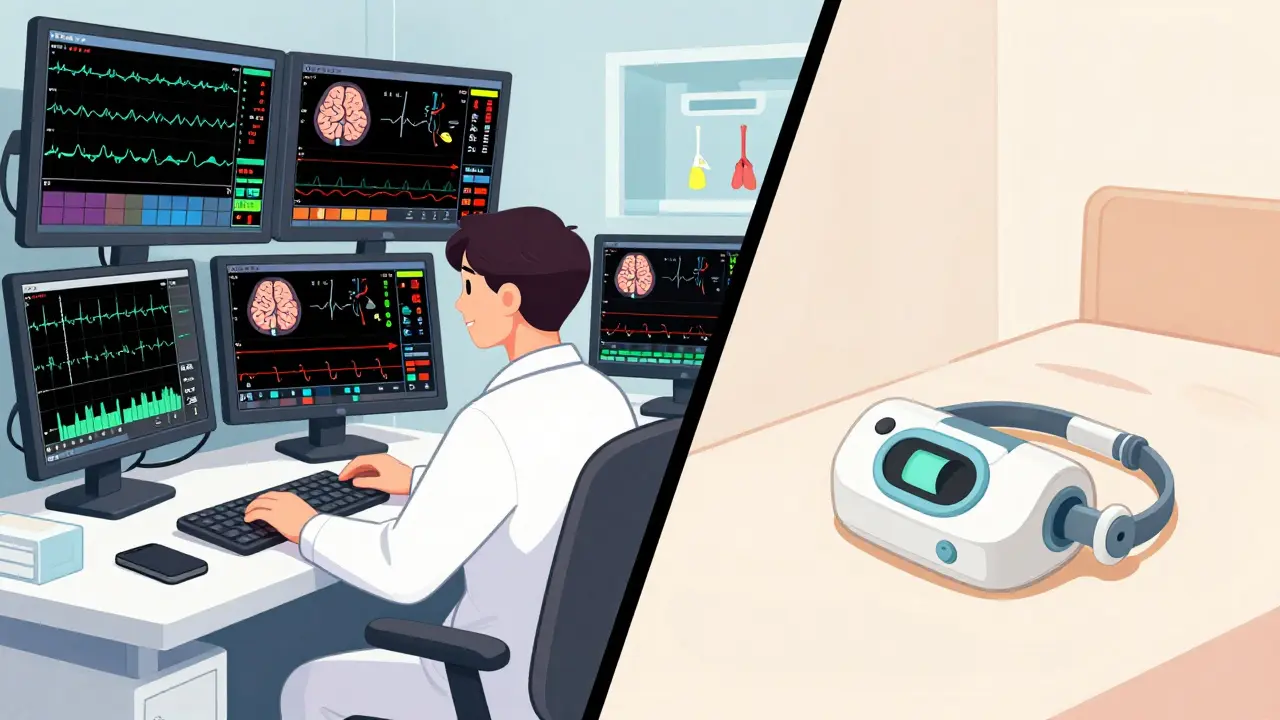
When you arrive, a registered sleep technologist will clean your scalp and skin areas where sensors will be placed. They will apply paste and attach electrodes. You will also wear belts around your chest and abdomen, a nasal cannula for airflow monitoring, and a finger probe for oxygen levels.
Once hooked up, you will be led to a private bedroom designed to mimic a hotel room. The temperature is usually kept between 68-72°F (20-22°C) to promote comfort. A video camera and microphone will record your movements and sounds.
The technologist monitors your sleep from an adjacent control room. They can communicate with you via an intercom if you need assistance. Most patients find that after the initial novelty wears off, they sleep reasonably well. About 85% of patients achieve sufficient sleep quality for a diagnostic result. If you wake up frequently, don't panic; the technologist can often adjust equipment or offer reassurance.
In some cases, you may undergo a split-night polysomnography. If the first half of the night confirms severe obstructive sleep apnea, the technologist will wake you briefly to fit you with a CPAP machine. The second half of the night then becomes a titration study, determining the correct air pressure settings for your therapy.
Understanding Your Polysomnography Results
After the study, a board-certified sleep physician reviews the data. The raw output can generate over 1,000 pages of charts. The final report includes several key metrics:
- Apnea-Hypopnea Index (AHI): This is the number of times per hour your breathing stops (apnea) or significantly decreases (hypopnea). An AHI of 5-15 indicates mild sleep apnea, 15-30 is moderate, and above 30 is severe.
- Respiratory Event Related Awakening Index (REAWI): This measures how often breathing disruptions cause you to micro-awaken, fragmenting your sleep.
- Oxygen Desaturation Index (ODI): How often your blood oxygen drops below a certain threshold (usually 3% or 4%).
- Sleep Efficiency: The percentage of time spent asleep while in bed. Low efficiency suggests insomnia or frequent arousals.
- REM Latency: The time it takes to enter REM sleep. Short latency (under 15 minutes) can be a sign of narcolepsy.
Your doctor will use these numbers to differentiate between types of sleep apnea. For example, in Obstructive Sleep Apnea (OSA), respiratory effort continues even though the airway is blocked. In Central Sleep Apnea (CSA), the brain fails to send the signal to breathe, so respiratory effort ceases entirely. This distinction is critical because the treatments differ significantly.
Insurance Coverage and Costs
Polysomnography is expensive, typically costing between $1,500 and $3,000 depending on the facility and location. However, most insurance plans, including Medicare, cover the procedure if specific clinical criteria are met.
Medicare covers polysomnography for the initial diagnosis of sleep-related breathing disorders when symptoms like witnessed apneas, loud snoring, and excessive daytime sleepiness are documented. Private insurers often require prior authorization. Make sure your referring physician submits the necessary documentation proving medical necessity. If you are unsure, call your insurance provider's member services line and ask specifically about "CPT code 95810" (standard polysomnography).
Next Steps After Diagnosis
If the results confirm a sleep disorder, treatment options vary. For obstructive sleep apnea, Continuous Positive Airway Pressure (CPAP) therapy is the most common intervention. For less severe cases, oral appliances or lifestyle changes like weight loss may be recommended. If narcolepsy or idiopathic hypersomnia is diagnosed, stimulant medications and scheduled naps might be part of the management plan.
Follow-up appointments are crucial. If you start CPAP therapy, your provider may schedule a follow-up study or use remote monitoring data to ensure the device is working correctly and that your AHI has dropped to acceptable levels.
Is a polysomnography painful?
No, polysomnography is non-invasive. The sensors are attached with gentle adhesive paste. Some people feel slight tugging when the electrodes are applied, but there is no pain during the setup or throughout the night. The main discomfort is usually psychological-feeling anxious about sleeping in a strange environment with wires attached.
How long does it take to get results?
It typically takes 2 to 4 weeks to receive your official results. The raw data requires extensive manual review by a board-certified sleep physician who must score every epoch of sleep and correlate it with respiratory events. Once the report is finalized, your referring doctor will contact you to discuss the findings and treatment plan.
Can I bring my own pillow or bedding?
Yes, most sleep centers encourage you to bring your own pillow, blanket, or even a small stuffed animal if it helps you feel more comfortable. Familiar items can reduce anxiety and help you fall asleep faster, improving the quality of the data collected.
What if I can't fall asleep during the study?
This is called 'first-night effect.' While frustrating, it is common. The technologist is trained to help you relax. Even if you don't get a full 8 hours, you likely still accumulated enough sleep cycles for a diagnostic interpretation. If the data is insufficient, the center may reschedule the test or suggest alternative approaches.
Does insurance cover a second sleep study?
Insurance may cover a repeat polysomnography if your condition has changed significantly, if previous results were inconclusive, or if you are being evaluated for a new symptom. However, you will need strong documentation from your sleep specialist justifying the medical necessity of the additional test.
Nilesh Mandani
May 12, 2026 AT 23:56It is fascinating how much we ignore the biological reality of rest until it collapses. We treat sleep like a luxury rather than a fundamental pillar of health, yet here we are with machines recording our brain waves to prove we are broken. The distinction between home tests and lab studies is often overlooked by people who just want a quick fix without understanding the architecture of their own unconscious mind.
Jake Williams
May 14, 2026 AT 00:36Great article for those who can afford to waste thousands on a night in a hotel room that smells like bleach. Most people just need to stop eating garbage and start exercising instead of blaming wires on their head. The system is designed to extract money from you while you lie there helpless. Typical American healthcare nonsense where they diagnose everything as a disorder so they can sell you more equipment.
Guy Birtwhistle
May 15, 2026 AT 10:32Oh look, another person trying to play doctor because they read a blog post. You clearly don't understand the nuance of medical diagnostics if you think lifestyle changes replace clinical evidence for severe apnea. It is actually quite amusing how confident ignorance sounds when it is wrapped in self-righteous anger. Maybe stick to your lane unless you want to end up gasping for air at 3 AM.
Kenny Pines
May 17, 2026 AT 02:53I went through this last year and honestly the technologist was super chill 😅 They even let me bring my weirdly shaped pillow which helped a ton. The wires looked scary but once you get used to them it is fine. Just remember to shower before going because the paste won't stick to oily skin lol 🛁
Liz and Nick
May 17, 2026 AT 19:34i dont know why anyone would trust these big pharma companies to tell us what to do with our bodies it feels like a violation of privacy to have cameras watching you sleep all night long. its creepy and invasive and makes me feel violated just thinking about it. we should be free to sleep however we want without being monitored by strangers.
Brian Fibelkorn
May 17, 2026 AT 23:29The epistemological framework of polysomnography relies on the quantification of physiological states which cannot be accurately assessed via subjective report alone. The integration of EEG, EOG, and EMG data provides a multimodal analysis of sleep architecture that is essential for differential diagnosis. To dismiss the utility of such rigorous diagnostic protocols based on emotional discomfort is intellectually lazy and medically irresponsible.
David Rangkhal
May 19, 2026 AT 21:38actually i had a similar experience and found that bringing familiar items really helps reduce anxiety 🌿 the environment is sterile but human touch matters. maybe try to focus on the relief you will feel after getting answers rather than the fear of the unknown. it is a journey towards better health not just a test 👍
Dat Alexander
May 21, 2026 AT 04:48the real issue is that we live in a society that glorifies busyness over rest. we are taught that sleeping less makes us productive but science shows the opposite. when we ignore our bodies signals we eventually break down. the sleep study is just a mirror reflecting our collective neglect of basic human needs. we need to rethink our relationship with time and rest entirely.
Raymond Roberts
May 23, 2026 AT 03:21i went to one of these places last month and it was kinda confusing because they kept asking me questions while i was trying to fall asleep. the technician was nice though but i felt like a lab rat. my results came back saying i have mild apnea which explains why i am always tired. now i have to figure out if insurance will cover the cpap machine which seems like a whole other nightmare.
Jannet Suen
May 23, 2026 AT 05:18Oh sure, let's just attach electrodes to everyone's heads and call it progress. I mean, nothing says 'relaxing vacation' like a hospital gown and a stranger watching you breathe through a camera. But hey, at least we have data now! 📊 I suppose if you enjoy feeling like a science experiment gone wrong this is right up your alley. Good luck getting any actual sleep in that sterile box.
Claire A
May 23, 2026 AT 10:42Don't let the technical details scare you away from seeking help. Getting a proper diagnosis is the first step toward feeling like yourself again. Many people find that once they start treatment, their quality of life improves dramatically. You deserve to wake up refreshed and ready to tackle the day. Trust the process and be kind to yourself during this journey.