
Medications to Avoid While Pregnant: Safety Warnings and Alternatives

When you're pregnant, every choice you make - from what you eat to how you rest - feels bigger. But one of the most overlooked areas of risk? Medications. Many women assume that if a drug is sold over the counter, it’s safe. That’s not true. Even common painkillers can carry hidden dangers for your baby, especially when used regularly or at the wrong time.
Every year, nearly 90% of pregnant women take at least one medication. Some are prescribed. Others are grabbed from the cabinet - ibuprofen for a headache, Tylenol for a fever, Sudafed for a stuffy nose. But not all of these are harmless. Some can interfere with your baby’s development, cause birth defects, or even lead to stillbirth. The good news? You don’t have to guess. There are clear, evidence-based guidelines on what to avoid and what’s safe.
Drugs That Can Cause Birth Defects - And When to Avoid Them
The first 12 weeks of pregnancy are the most critical. That’s when your baby’s organs are forming. During this time, even small exposures to certain drugs can cause serious harm. Here are the top offenders:
- Isotretinoin (Accutane) - Used for severe acne, this drug is one of the most dangerous during pregnancy. It carries a risk of more than 25% for major birth defects, including missing parts of the skull, heart problems, and brain abnormalities. Women on isotretinoin must use two forms of birth control and register in the FDA’s iPLEDGE program. If you’re planning pregnancy, stop this drug at least one month before trying to conceive.
- ACE inhibitors and ARBs - Medications like lisinopril, enalapril, and valsartan are common for high blood pressure. But they can cause kidney failure, low amniotic fluid, and even death in the fetus. If you’re on one and find out you’re pregnant, contact your doctor immediately. There are safer alternatives like methyldopa or labetalol.
- Valproic acid - Often used for epilepsy and bipolar disorder, this drug increases the risk of major birth defects to 10.7%, compared to 2.8% in the general population. It’s linked to neural tube defects, facial deformities, and lower IQ scores. If you have epilepsy, talk to your neurologist about switching to lamotrigine or levetiracetam before pregnancy.
- Warfarin (Coumadin) - This blood thinner crosses the placenta and can cause fetal warfarin syndrome - a pattern of facial and bone abnormalities. If you’re on warfarin and planning pregnancy, switch to enoxaparin (Lovenox), which doesn’t cross the placenta.
- Tetracyclines (doxycycline) - These antibiotics stain developing teeth and weaken bones. Avoid them entirely during pregnancy.
- Fluoroquinolones (ciprofloxacin, levofloxacin) - Linked to a 1.9-fold increase in musculoskeletal problems in babies. Save these for life-threatening infections only.
NSAIDs: More Dangerous Than You Think
Ibuprofen (Advil, Motrin) and naproxen (Aleve) are among the most commonly used pain relievers. But the FDA issued a strong warning in October 2020: avoid NSAIDs after 20 weeks of pregnancy.
Why? These drugs can cause your baby’s kidneys to shut down, leading to dangerously low amniotic fluid (oligohydramnios). This can result in lung underdevelopment and limb contractures. Studies show a 1.5 to 2 times higher risk of these complications when NSAIDs are used in the second half of pregnancy.
Even aspirin is risky unless it’s prescribed at low doses (60-150 mg daily) to prevent preeclampsia. Don’t take it for headaches or muscle pain.
Acetaminophen: The New Controversy
For decades, acetaminophen (Tylenol) was the gold standard for pain and fever relief during pregnancy. But new research is changing that.
A 2021 study in JAMA Pediatrics followed 95,000 mother-child pairs and found that prolonged acetaminophen use - especially throughout pregnancy - was linked to a 28.6% higher risk of ADHD and a 20.4% higher risk of autism spectrum disorder. The FDA updated its guidance in September 2025, warning doctors to advise pregnant women to minimize use, especially for mild symptoms like low-grade fevers.
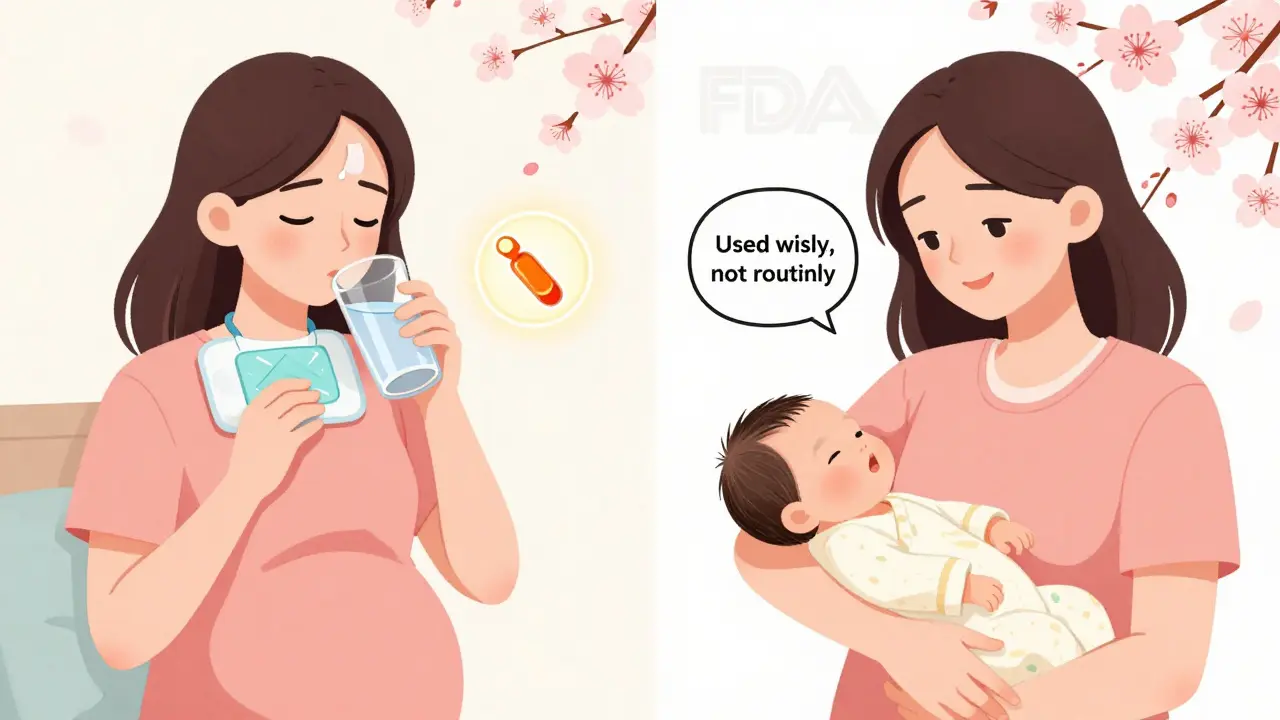
Here’s the catch: The American College of Obstetricians and Gynecologists (ACOG) still lists acetaminophen as the preferred option. Why? Because untreated high fever (above 102°F) can increase the risk of neural tube defects by 8.2 times. So it’s not about avoiding acetaminophen completely - it’s about using it wisely.
Use the lowest dose possible (325-650 mg), for the shortest time needed. Never take it daily unless your doctor says so. If you’re using it for more than a few days, talk to your provider. And if you have a fever, try cooling methods first - cool compresses, light clothing, hydration - before reaching for the pill.
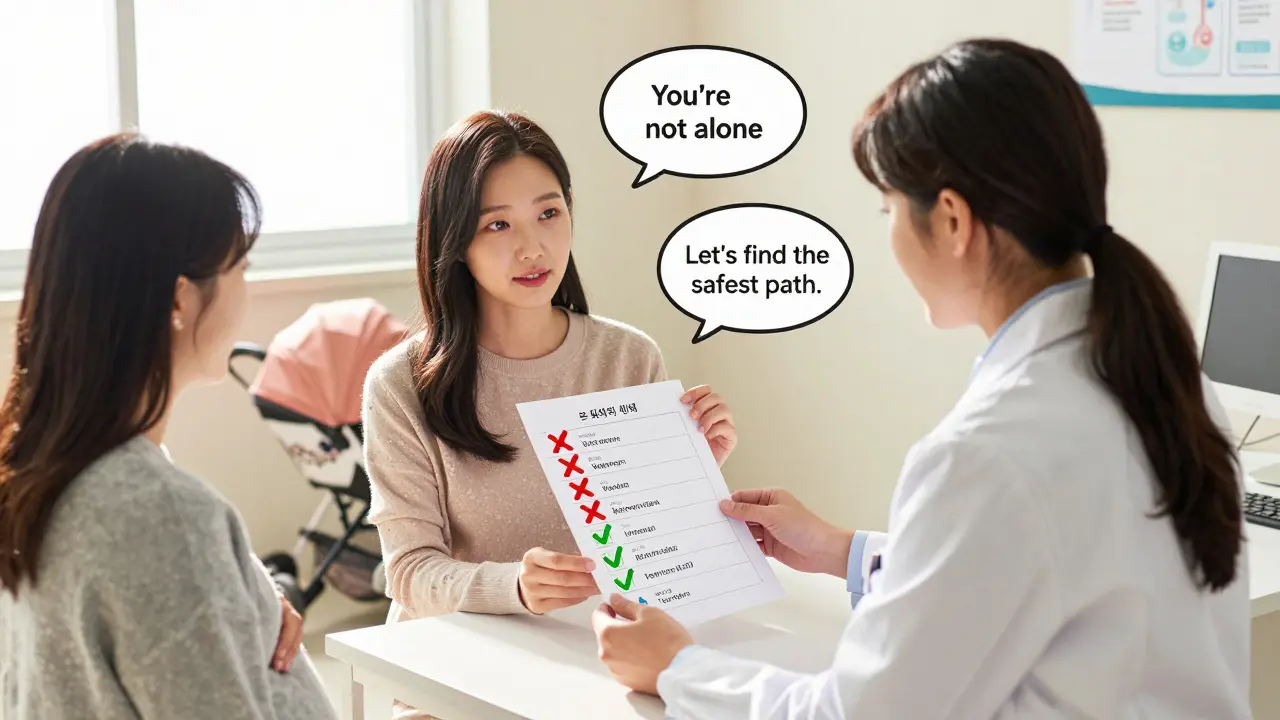
Safer Alternatives for Common Pregnancy Complaints
You don’t have to suffer. There are safe, effective ways to manage everyday discomforts without risking your baby’s health.
Pain and Fever
Stick with acetaminophen - but only when necessary. Maximum daily dose should not exceed 3,000 mg. Avoid combination products (like cold medicines) that contain other ingredients.
Allergies
Second-generation antihistamines are your best bet:
- Loratadine (Claritin) - 10 mg daily
- Cetirizine (Zyrtec) - 10 mg daily
- Fexofenadine (Allegra) - 180 mg daily
Over 2,000 pregnancies have been studied with these drugs, and none show an increased risk of birth defects. First-generation antihistamines like diphenhydramine (Benadryl) are okay occasionally, but they can cause drowsiness and may affect fetal movement.
Nasal Congestion
Start with saline sprays or steam inhalation. If you need more, pseudoephedrine (Sudafed) is acceptable after the first trimester. Use no more than 30-60 mg every 4-6 hours, not exceeding 120 mg daily. Avoid it if you have high blood pressure - it can raise it by 5-10 mmHg.
Constipation
Focus on fiber first: 25-30 grams daily from fruits, vegetables, beans, and whole grains. Drink plenty of water. If that’s not enough, try:
- Docusate sodium (Colace) - 100 mg twice daily
- Polyethylene glycol (Miralax) - 17g daily
Both are Category B, meaning no increased risk of birth defects in over 700 documented cases. Avoid stimulant laxatives like senna or bisacodyl unless prescribed.
What About Antidepressants?
This is one of the hardest decisions. Untreated depression increases the risk of preterm birth by 64% and low birth weight by 73%. But some antidepressants carry risks too.
Paroxetine (Paxil) is linked to a 1.5-2% risk of heart defects. Other SSRIs like sertraline and fluoxetine are considered safer. But even they slightly raise the risk of persistent pulmonary hypertension of the newborn (PPHN) - from 1-2 per 1,000 to 5-6 per 1,000.
The key? Don’t stop cold turkey. Work with your psychiatrist and OB-GYN. If you’ve been stable on an SSRI, continuing it may be safer than stopping. If you’re not on medication, consider therapy or light therapy before starting drugs.
What You Should Do Right Now
If you’re pregnant or planning to be, here’s what to do:
- Make a full list - Include every prescription, OTC drug, supplement, and herbal remedy. Don’t forget vitamins, CBD, or essential oils - some can be risky too.
- Review it with your provider - Don’t wait until your first prenatal visit. Bring this list to your preconception checkup or as soon as you get a positive test.
- Use trusted resources - The MotherToBaby service (operated by the Organization of Teratology Information Specialists) offers free, evidence-based advice. They’ve helped over 2.3 million people annually. Call them or visit their website.
- Keep your medication list updated - Your needs change each trimester. Revisit this list every 12 weeks.
And if you’ve already taken something risky? Don’t panic. Most exposures don’t lead to problems. But you need to know what you took, when, and how much. Tell your provider. They can help you assess the risk and monitor your pregnancy more closely.
Final Thoughts: It’s Not About Perfection
Pregnancy isn’t about avoiding every possible risk. It’s about making informed choices. You’re not failing if you took ibuprofen before you knew you were pregnant. You’re not reckless if you needed Tylenol for a fever. What matters is what you do next.
Use the information here. Talk to your doctor. Ask questions. And remember - your health matters too. Managing pain, fever, allergies, and depression isn’t selfish. It’s essential for you and your baby.
Is it safe to take Tylenol while pregnant?
Acetaminophen (Tylenol) is still considered the safest pain reliever during pregnancy, but recent research suggests caution. A 2021 study linked prolonged use to higher risks of ADHD and autism. The FDA updated its guidance in September 2025 to recommend minimizing use, especially for mild symptoms. Use the lowest effective dose (325-650 mg) for the shortest time possible. Never exceed 3,000 mg per day. If you have a fever, try cooling methods first - acetaminophen should be a last resort for low-grade fevers.
Can I take Advil or ibuprofen during pregnancy?
No, avoid ibuprofen and other NSAIDs after 20 weeks of pregnancy. The FDA issued a strong warning in 2020 because these drugs can cause fetal kidney damage and dangerously low amniotic fluid. Before 20 weeks, occasional use may be okay, but it’s still not recommended. Acetaminophen is the preferred alternative. If you need pain relief, stick with Tylenol and avoid Advil, Motrin, and Aleve entirely in the second and third trimesters.
What’s the safest allergy medicine during pregnancy?
Loratadine (Claritin) and cetirizine (Zyrtec) are both classified as Category B and have been studied in over 2,000 pregnancies with no increased risk of birth defects. Take 10 mg daily. Fexofenadine (Allegra) is also considered safe. Avoid first-generation antihistamines like Benadryl unless needed occasionally - they can cause drowsiness and may affect fetal movement. Always start with saline nasal sprays and humidifiers before reaching for medication.
Are antidepressants safe during pregnancy?
Untreated depression carries serious risks - including preterm birth and low birth weight. Some antidepressants, like paroxetine, are linked to a small increased risk of heart defects. Others, like sertraline and fluoxetine, are considered safer. The key is not to stop medication suddenly. Work with your mental health provider and OB-GYN to weigh the risks of continuing versus stopping. Therapy and light therapy are helpful non-drug options. Never make this decision alone.
What should I do if I took a risky medication before knowing I was pregnant?
Don’t panic. Most exposures don’t lead to problems. Write down the name of the medication, when you took it, and how much. Contact your doctor or call MotherToBaby (1-800-733-4727) for free, expert advice. They can assess your specific situation and help determine if any extra monitoring is needed. Early detection and monitoring are key - many issues can be caught and managed with proper care.
Where can I find reliable information about medication safety in pregnancy?
The best resource is MotherToBaby - a service run by the Organization of Teratology Information Specialists. They offer free, evidence-based guidance via phone, chat, or their website. The FDA’s Pregnancy and Lactation Labeling Rule (PLLR) also provides detailed drug information. Avoid relying on internet forums or anecdotal advice. Stick to sources backed by clinical data and expert review.
Amber Gray
March 23, 2026 AT 18:18Katie Putbrese
March 24, 2026 AT 04:36Raphael Schwartz
March 25, 2026 AT 12:38Donna Fogelsong
March 27, 2026 AT 09:11Stephen Alabi
March 29, 2026 AT 07:20Agbogla Bischof
March 29, 2026 AT 21:20Pat Fur
March 30, 2026 AT 13:35Caroline Bonner
March 30, 2026 AT 21:24Blessing Ogboso
March 31, 2026 AT 00:09Jefferson Moratin
April 1, 2026 AT 21:24winnipeg whitegloves
April 2, 2026 AT 04:27Jacob Hessler
April 3, 2026 AT 06:28