
Medication Safety for College Students: Risks, Storage, and Disposal
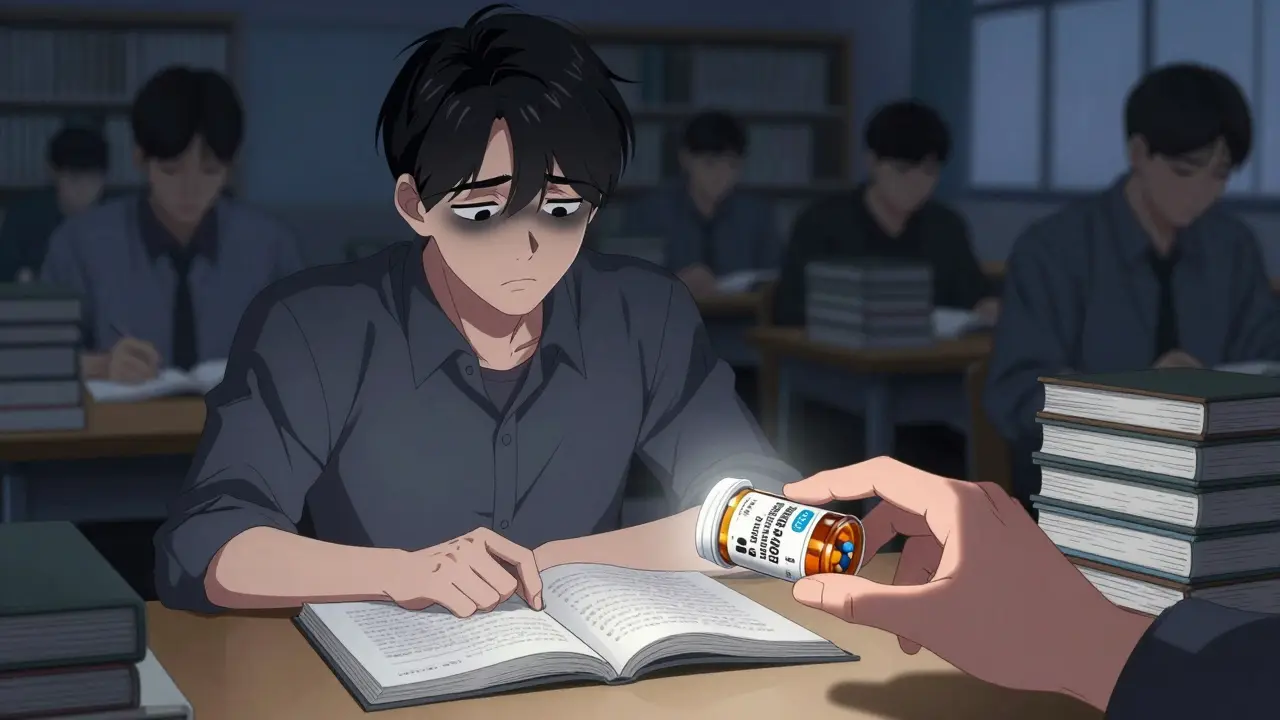
Imagine it’s finals week. The library is packed, the coffee is cold, and you’re staring at a textbook that might as well be written in ancient Greek. Your roommate leans over and slides a bottle of Adderall across the table. "Just take one," they whisper. "It’ll help you focus." It’s a scene that plays out on campuses across the country every semester. For many young adults, the line between medication and study aid has blurred dangerously.
Medication safety for college students and young adults isn’t just about taking pills correctly. It’s about understanding why we misuse them, how to store them securely, and what to do when they’re no longer needed. With prescription drug misuse hitting record highs among 18-to-25-year-olds, this is a critical conversation for anyone navigating higher education today.
The Reality of Prescription Misuse on Campus
Let’s look at the numbers because they are stark. According to data from the Substance Abuse and Mental Health Services Administration (SAMHSA), young adults aged 18 to 25 misuse prescription drugs at higher rates than any other age group. In fact, over 28 percent of college-aged young adults have misused some type of prescription psychotherapeutic drug at least once in their lifetime. That’s nearly one in three students.
But not all drugs are misused equally. Stimulants are the clear leader here, accounting for 75 percent of all reported prescription drug misuse among students. Adderall is the most frequently cited medication, with surveys showing that around 9 percent of college students have used it non-medically. Pain relievers and sedatives follow, but stimulants dominate the campus landscape.
| Drug Class | Most Common Example | Misuse Rate (Past Year) |
|---|---|---|
| Stimulants | Adderall, Ritalin | ~7.2% - 9% |
| Pain Relievers | Vicodin, OxyContin | ~5.4% |
| Sedatives/Tranquilizers | Xanax, Valium | ~5.8% |
Why are students turning to these medications? Academic pressure is the primary driver. Dr. Jane Maxwell, a substance abuse researcher, notes that the combination of high expectations, erratic sleep schedules, and a culture that often normalizes recreational drug use creates a perfect storm. Students aren’t necessarily trying to get high; they’re trying to survive the semester. But using someone else’s prescription is a dangerous shortcut that can lead to serious health consequences, including heart problems, psychiatric issues, and dependence.
Where Do These Pills Come From?
If you don’t have a prescription, where do you get the meds? The answer is usually your social circle. A 2021 study published in PMC found that approximately 60 percent of misused prescription drugs were obtained from peers-friends, roommates, or classmates. This sharing culture is pervasive. Almost two-thirds of college seniors report being offered prescription stimulants for nonmedical use during their time in school.
This accessibility is alarming. When a medication is passed around like candy, as one University of Michigan student described, it strips away the respect for its potency and risk. Many students believe that because a doctor prescribed it, it must be safe. They forget that dosage is tailored to an individual’s specific medical history, weight, and conditions. Taking another person’s medication is essentially playing Russian roulette with your physiology.
Furthermore, the ease of access extends beyond peer sharing. Surveys indicate that 42 percent of students know where to obtain prescription stimulants without a prescription on campus. Whether through informal networks or online sources, the barrier to entry is low, making education and prevention even more critical.
Proper Storage: Protecting Your Meds and Others
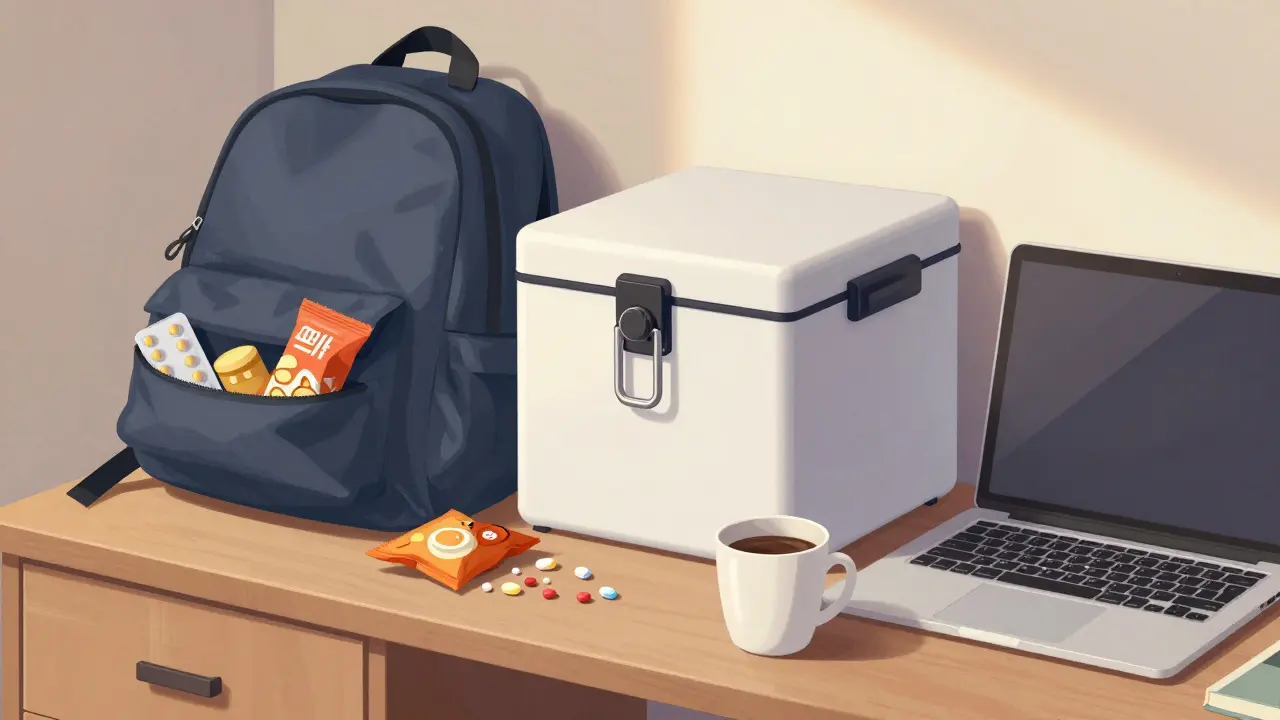
If you have a legitimate prescription, your responsibility doesn’t end at the pharmacy counter. How you store your medication matters immensely. Leaving pills on a nightstand, in a backpack, or in an unlocked desk drawer invites theft and misuse. In dorm rooms, where privacy is limited, this is a daily risk.
The University of Florida’s "Safe Meds" program offers a practical solution. By providing lock boxes for medication storage and installing campus-wide disposal kiosks, they reduced prescription stimulant misuse by 18 percent over two years. You don’t need a university-wide program to start. Simple steps include:
- Using a small, portable lockbox for your daily doses.
- Keeping medications in their original labeled containers to avoid confusion.
- Never leaving prescriptions unattended in common areas like kitchens or lounges.
- Avoiding sharing bathroom medicine cabinets if you live with others who may have different habits.
Secure storage isn’t just about preventing others from taking your meds; it’s also about protecting yourself from accidental ingestion or loss. If you lose track of your pills, you might double-dose, which can be fatal depending on the medication.
Disposal: What to Do When You’re Done
Here’s a question many students never ask: What do I do with leftover pills? Flushing them down the toilet is bad for the environment and can contaminate water supplies. Throwing them in the trash is risky because curious kids or pets might dig them up. And keeping them "just in case" leads to hoarding and potential misuse later.
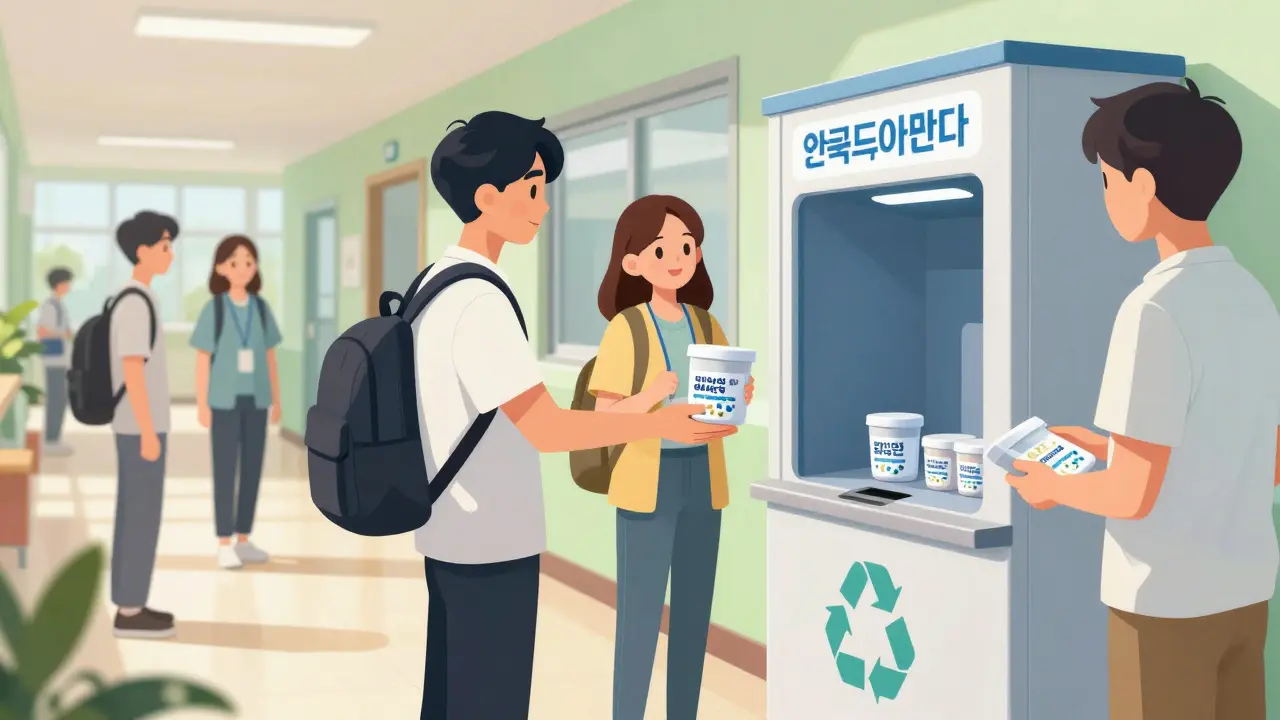
Proper disposal is a key component of medication safety. The FDA and DEA recommend using drug take-back programs. Many colleges now have disposal kiosks on campus, similar to recycling bins, where you can drop off unused medications safely. If a kiosk isn’t available, check with local pharmacies or law enforcement agencies for collection events.
If no take-back option exists, the FDA provides guidelines for home disposal: mix the pills with an unappealing substance like dirt, cat litter, or used coffee grounds, place the mixture in a sealed container, and throw it in the trash. Remove all personal information from the prescription label before discarding the container. This simple act prevents diversion and keeps your community safer.
Effective Interventions and Support Systems
Campuses are waking up to this issue. The number of colleges implementing comprehensive medication safety programs has grown from 215 in 2015 to 1,472 in 2023. These programs go beyond scare tactics. They address the root causes: stress, anxiety, and lack of academic support.
The University of Michigan’s "Wolverine Wellness" initiative is a prime example. By combining medication safety education with academic coaching and mental health services, they reduced stimulant misuse by 22 percent while increasing the use of academic support resources by 47 percent. This shows that when students feel supported in their studies, they are less likely to seek chemical shortcuts.
Peer-led prevention programs are also gaining traction. Students trust their peers more than administrators. Programs that train student leaders to recognize signs of misuse and offer non-judgmental support create a safer campus culture. Additionally, brief educational interventions during routine health center visits have been shown to increase proper medication disposal by 35 percent.
Regulatory changes are helping too. The DEA’s requirement for electronic prescriptions for Schedule II medications (like Adderall) in 49 states has reduced prescription forgery incidents on campuses by 31 percent. This makes it harder for students to fabricate prescriptions, forcing them to confront the reality of their need for professional help.
Recognizing the Signs of Misuse
Whether you’re a student, parent, or educator, knowing the signs of prescription drug misuse can save lives. Look out for:
- Sudden changes in sleep patterns (insomnia or excessive sleeping).
- Unexplained weight loss or gain.
- Mood swings, anxiety, or irritability.
- Declining academic performance despite claiming increased effort.
- Missing medications or frequent trips to the doctor for refills.
- Isolation from friends and family.
If you notice these signs in yourself or a friend, talk to someone. Campus health centers, counseling services, and hotlines are there to help. Remember, asking for help is a sign of strength, not weakness. Early intervention can prevent a temporary study hack from becoming a long-term addiction.
Building a Culture of Safety
Medication safety is everyone’s business. It requires a shift in mindset from viewing prescriptions as commodities to respecting them as powerful medical tools. Colleges must continue to invest in infrastructure like disposal kiosks and lockboxes. Students must hold each other accountable and refuse to share medications. And individuals must prioritize their health over short-term academic gains.
The cost of inaction is high. Prescription drug misuse costs U.S. colleges approximately $1.8 billion annually in healthcare, academic support, and security resources. But the human cost is immeasurable. Every emergency room visit, every lost semester, every life altered by addiction is a tragedy we can prevent.
By staying informed, storing meds securely, disposing of them properly, and seeking support when stressed, you contribute to a safer, healthier campus community. Your brain is your greatest asset in college. Protect it.
Is it safe to share prescription medication with a friend who has the same condition?
No, it is never safe to share prescription medication. Dosages are tailored to an individual's specific medical history, weight, and other factors. Sharing medications can lead to adverse reactions, overdose, or interactions with other drugs your friend may be taking. It is also illegal in most jurisdictions.
What should I do if I find leftover prescription pills in my dorm room?
Do not flush them or throw them loosely in the trash. Use a campus drug disposal kiosk if available. If not, mix the pills with an unappealing substance like coffee grounds or cat litter, seal them in a container, and dispose of them in the trash. Remove any personal information from the prescription label first.
Are there legal consequences for possessing someone else's prescription medication?
Yes, possessing prescription medication without a valid prescription is considered drug possession under federal and state laws. Even if you did not buy or sell the drugs, simply having them can lead to legal charges, expulsion from college, and a criminal record.
How can I manage exam stress without using prescription stimulants?
Focus on healthy alternatives like maintaining a regular sleep schedule, exercising, practicing mindfulness or meditation, and utilizing academic support services like tutoring or study groups. Many colleges offer stress management workshops and counseling services specifically designed to help students cope with academic pressure.
Where can I find drug disposal locations near my campus?
Check with your campus health center, local pharmacies, or police departments. The DEA maintains a national list of permanent and temporary collection sites on their website. Many universities also have dedicated disposal kiosks installed in residence halls or health centers.