
Managing Migraine Disorder: Best Preventive Options and Acute Treatments

Imagine waking up to a pulsating, one-sided headache so intense that a flickering light feels like a lightning bolt and the sound of a humming refrigerator becomes unbearable. For about 1 billion people worldwide, this isn't a bad dream-it's a neurological reality. Migraine disorder is far more than just a "bad headache"; it is a complex genetic condition that can sideline you from work, family, and life. The goal of modern treatment isn't just to numb the pain, but to reduce the number of attack days and reclaim your quality of life.
To get a handle on this, you need to understand that treatment is split into two distinct strategies: acute (stopping an attack that has already started) and preventive (stopping attacks from happening in the first place). While you might be tempted to just pop a pill when the pain hits, relying solely on acute meds can actually lead to a vicious cycle called medication-overuse headache. The real win comes from a combined approach.
Knowing the Enemy: Identifying Your Migraine Type
Before picking a treatment, you have to know what you're dealing with. Neurologists generally use the ICHD-3 International Classification of Headache Disorders, 3rd Edition to make a diagnosis. If you're tracking your symptoms, look for these patterns:
- Migraine without aura: These are the "classic" attacks. They last anywhere from 4 to 72 hours and usually involve pulsating pain on one side of the head, nausea, and sensitivity to light and sound.
- Migraine with aura: About 90% of these auras are visual-think flashing lights, blind spots, or zig-zag patterns. You might also feel tingling in your hands or have trouble finding the right words. These symptoms usually spread gradually over 5 minutes or more before the pain hits.
- Chronic Migraine: This is when the disorder becomes a daily struggle. If you have headaches on 15 or more days per month for at least three months, and at least 8 of those days meet migraine criteria, you've moved into the chronic category.
If you're unsure, keeping a digital headache diary can be a game-changer. Most people find that weather changes, sleep disruption, and stress are the primary culprits, but tracking helps you spot your own unique triggers.
Acute Treatment: Stopping the Attack in Its Tracks
When an attack hits, timing is everything. Experts suggest treating the pain within 20 minutes of the first symptom to get the best results. Depending on how severe your pain is, your options generally fall into these three tiers:
Mild to Moderate: Over-the-Counter (OTC) Relief
For mild attacks, NSAIDs Nonsteroidal anti-inflammatory drugs like ibuprofen or naproxen are the first line of defense. Combination pills containing acetaminophen, aspirin, and caffeine can also work, though they are often less effective than specific migraine medications for more severe cases.
Moderate to Severe: Migraine-Specific Meds
If OTCs don't cut it, Triptans A class of drugs that act on serotonin receptors to stop migraine pain are the gold standard. Drugs like sumatriptan or rizatriptan are highly effective at stopping the pain and nausea. However, they aren't for everyone-people with certain cardiovascular issues should avoid them because they can constrict blood vessels.
The New Wave: Gepants and Ditans
For those who can't take triptans, newer options like Gepants CGRP receptor antagonists used for acute treatment (such as ubrogepant or rimegepant) and ditans (lasmiditan) have entered the scene. These provide a safer alternative for people with heart disease and generally have fewer "constricting" side effects.
| Treatment Class | Best For | Typical Response | Main Drawback |
|---|---|---|---|
| NSAIDs | Mild attacks | 20-30% pain-free at 2hrs | Low efficacy for severe pain |
| Triptans | Moderate/Severe | 30-50% pain-free at 2hrs | Cardiovascular contraindications |
| Gepants | Heart patients/Triptan non-responders | ~19% pain-free at 2hrs | Higher cost / Insurance hurdles |
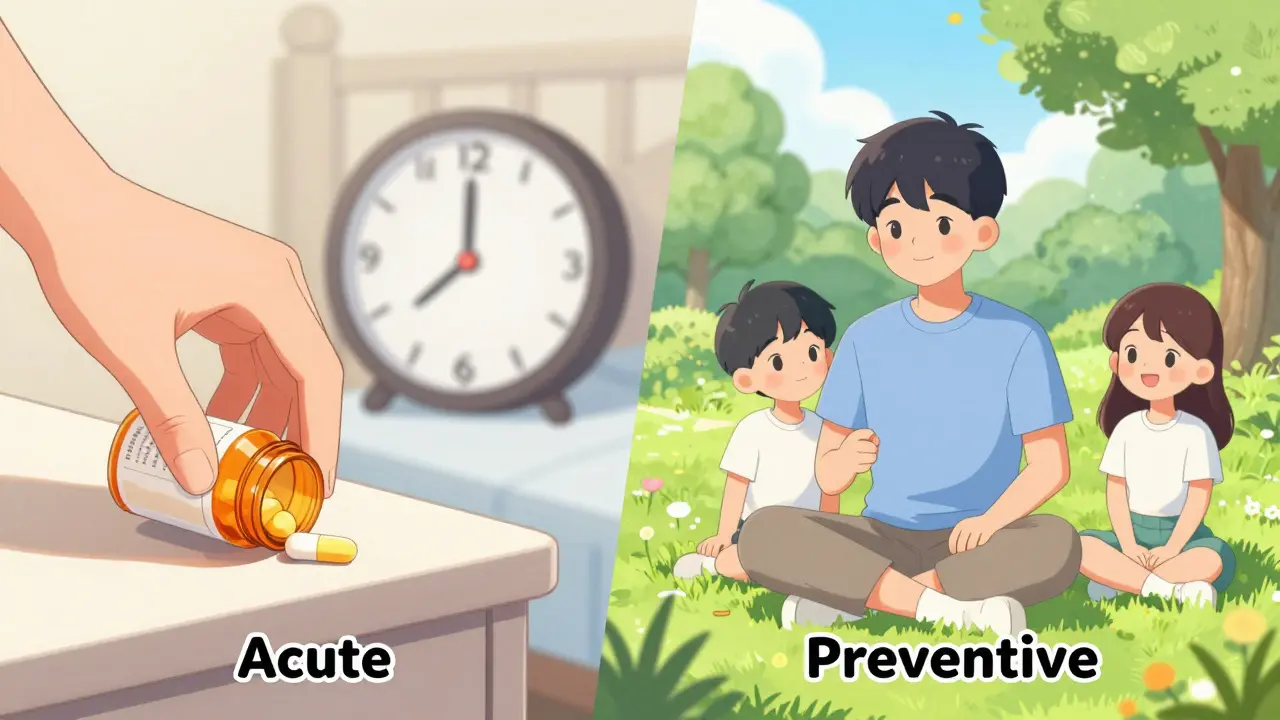
Preventive Strategies: Breaking the Cycle
If you're having four or more migraine days a month, it's time to talk about prevention. The goal here isn't to stop a single headache, but to lower the overall frequency and severity so your life doesn't revolve around the next attack.
Traditional Pharmacological Preventives
For years, doctors have used medications originally designed for other things. Beta-blockers (like propranolol) are great for those with high blood pressure, while anticonvulsants (like topiramate) can significantly reduce attack frequency. However, these often come with "brain fog" or cognitive side effects that lead many patients to quit within six months.
The CGRP Revolution
The biggest shift in the last decade is the arrival of CGRP monoclonal antibodies Targeted therapies that block calcitonin gene-related peptide to prevent migraine pathways. These are specifically designed for migraines. Medications like erenumab or galcanezumab are usually a once-a-month injection. They are much better tolerated than older drugs, meaning fewer people stop taking them due to side effects, although they are significantly more expensive.
Botox for Chronic Migraine
For those in the "chronic" category, Botulinum toxin A Commonly known as Botox, used via multiple injections to block pain signals is an FDA-approved option. By injecting specific sites around the head and neck every 12 weeks, many patients see a drop in their monthly headache days.
Medication-Free Alternatives
If you want to avoid pills, neuromodulation is an exciting field. Devices like Cefaly A forehead-worn device that stimulates the supraorbital nerve or gammaCore (which stimulates the vagus nerve) use electrical pulses to calm the nervous system. While they require consistent daily use, they offer a side-effect-free alternative for those who have failed multiple medications.
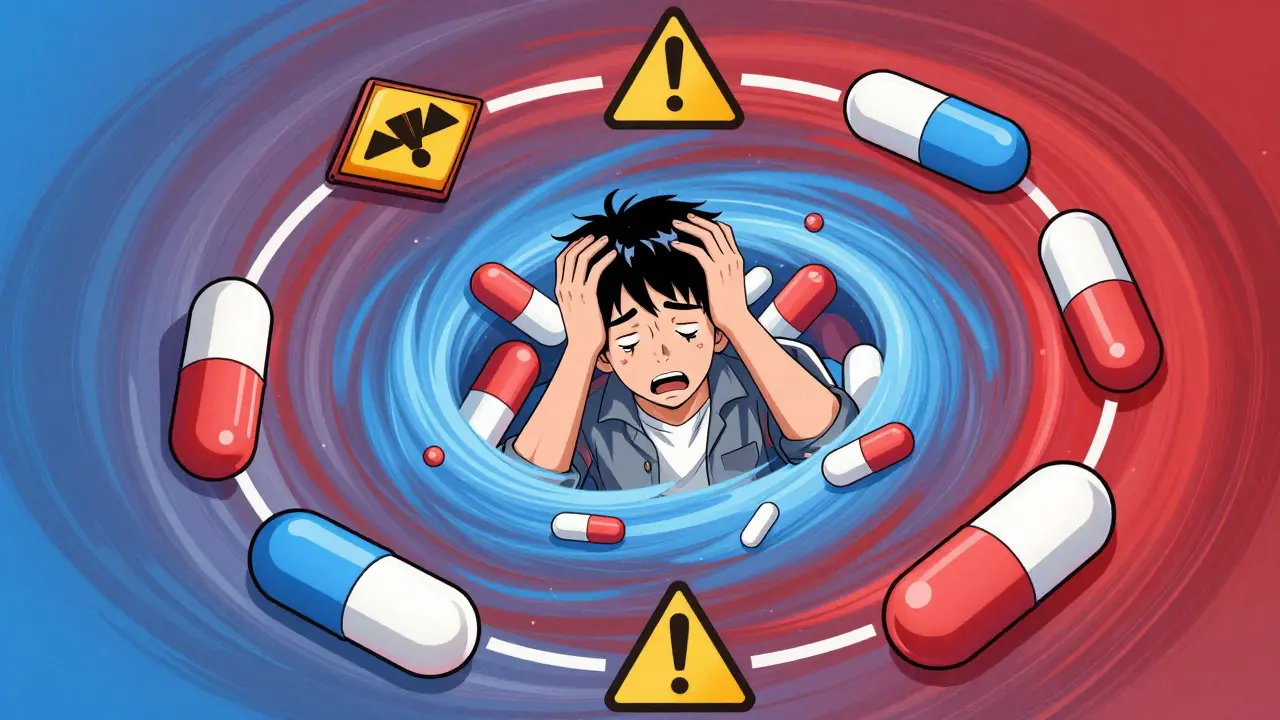
The Danger of the "Rebound" Effect
One of the biggest pitfalls in migraine management is the development of medication-overuse headaches. It sounds paradoxical, but using acute medications (especially triptans or combination OTCs) more than 10 days a month can actually trigger more headaches. Your brain becomes sensitized to the medication, and as the drug wears off, it triggers a "rebound" attack. This creates a cycle where you're treating the medication's withdrawal rather than the migraine itself. If you find yourself needing a pill every other day, it's a clear sign that you need a preventive strategy rather than more acute relief.
Practical Steps for Long-Term Relief
Managing this disorder is a marathon, not a sprint. Here is a realistic approach to getting your life back:
- Start a Log: Use an app or notebook to track triggers, duration, and which medications actually worked. This is the most valuable tool you can give your neurologist.
- Tier Your Meds: Have a clear plan. "If it's mild, I take an NSAID. If it's moderate, I use a triptan within 20 minutes."
- Test Preventives Slowly: If you try a drug like topiramate, ask your doctor about gradual dose titration. Starting slowly can help you avoid the cognitive side effects that make people quit.
- Address the Lifestyle Basics: While meds do the heavy lifting, maintaining a consistent sleep schedule and staying hydrated can lower your baseline irritability to triggers.
Can I take preventive medication if I only get a few migraines a year?
Generally, no. Preventive medications are typically reserved for people who have four or more migraine days per month or attacks that are so severe they cause significant disability. For infrequent attacks, acute treatment is the standard approach.
Are CGRP inhibitors safer than older preventive drugs?
In terms of side effects, yes. They have much lower discontinuation rates compared to drugs like topiramate, which often cause memory or word-finding issues. However, they are much more expensive and may require insurance prior authorization.
What is the difference between a migraine and a tension headache?
Migraines are typically one-sided, pulsating, and accompanied by nausea or light sensitivity. Tension headaches usually feel like a tight band around the entire head and typically don't involve the neurological symptoms (like aura) or nausea associated with migraines.
How long does it take for preventive medication to start working?
Prevention isn't an overnight fix. Most medications, including beta-blockers and CGRPs, require 2 to 3 months of consistent use before you can accurately judge if they are reducing your headache frequency.
Is Botox actually effective for migraines?
Yes, specifically for chronic migraine. Clinical data shows it can reduce headache days by significantly more than a placebo. It is administered every 12 weeks and is often used when other oral preventives have failed.