
Chemotherapy Drug Interactions: A Guide to Safety and Risks
Chemotherapy Interaction Checker
Important: This tool is for educational purposes only and does not replace professional medical advice. Always consult your oncologist or pharmacist before taking any supplement or changing your diet.
Select Potential Trigger:
Taking a pill or receiving an IV for cancer is stressful enough without worrying if your morning vitamins or a glass of grapefruit juice could sabotage the treatment. But here is the reality: chemotherapy drug interactions are a serious concern. Research shows that over half of all ambulatory cancer patients experience at least one potential interaction, and for one-third, these interactions are major, meaning they could lead to severe clinical complications or even death. When we talk about an interaction, we aren't just talking about a drug not working; we are talking about a chemical tug-of-war in your body that can either make a medication toxic or render it completely useless.
The Three Main Ways Drugs Clash
Not all interactions happen the same way. Depending on how your body processes a drug, an interaction usually falls into one of three buckets: pharmaceutical, pharmacodynamic, or pharmacokinetic.
Pharmacodynamic interactions is a type of interaction where two drugs have additive or opposing effects on the body without changing each other's concentration in the blood. Think of this as a "team effort" that goes too far. For example, if you are taking two different chemotherapy drugs that both stress the kidneys, the result isn't just double the stress-it can lead to actual renal failure because the organs simply can't keep up with the combined hit.
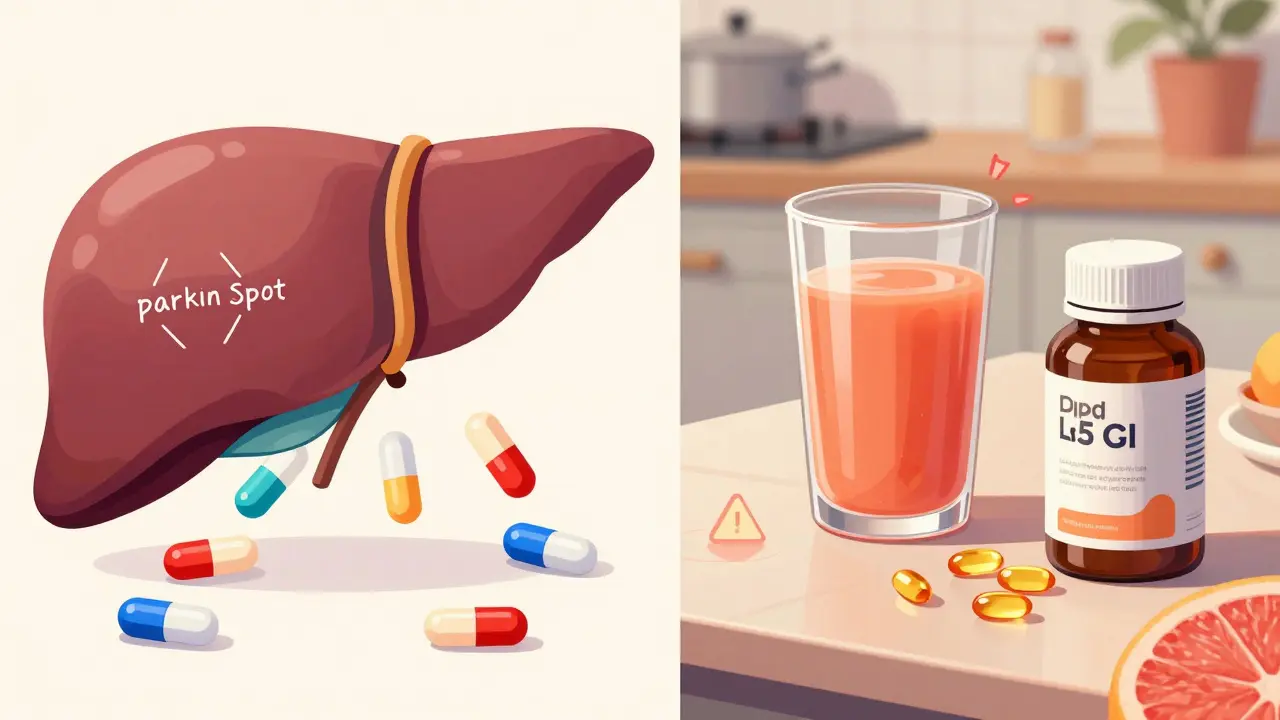
Pharmacokinetic interactions involves the process of how the body absorbs, distributes, and eliminates a drug. The most common version of this is a metabolic interaction. Your liver uses a family of enzymes called Cytochrome P450 to break down medications. When two drugs fight for the same enzyme "parking spot," one drug might stay in your system too long (increasing toxicity) or get flushed out too quickly (making the treatment fail).
Finally, pharmaceutical interactions occur when two substances react chemically with each other, often before they even enter your bloodstream, such as when certain medications are mixed in the same IV line and form a precipitate (basically a solid clump) that cannot be administered.
The Danger of the "Natural" Approach
There is a common misconception that because a supplement is "natural," it is safe to take alongside chemo. This is one of the most dangerous assumptions a patient can make. Unlike prescription drugs, supplements don't always have strict regulatory oversight, meaning the label might not tell the whole story.
Many popular supplements can dangerously increase bleeding risks, especially if you are also on blood thinners. If you are using things like fish oil, garlic, ginger, ginkgo biloba, or turmeric, you might be inadvertently thinning your blood to a point where surgery or simple bruising becomes a major problem. In fact, medical guidelines suggest stopping these types of supplements at least 10 days before any scheduled surgery to prevent perioperative complications.
Then there is the food factor. While a healthy diet is great, some foods act like powerful drugs. Grapefruit and Seville oranges contain furanocoumarins, which essentially "break" the CYP3A4 enzyme in your liver. If that enzyme is disabled, your chemotherapy drug can build up to toxic levels in your bloodstream because the body has lost its primary way of clearing it out.
| Trigger | Mechanism | Potential Outcome |
|---|---|---|
| Grapefruit Juice | Inhibits CYP3A4 enzyme | Increased drug toxicity |
| St. John's Wort | Induces enzyme activity | Reduced drug efficacy |
| Omega-3/Fish Oil | Antiplatelet effect | Increased bleeding risk |
| Certain Antidepressants | Metabolic competition | Reduced effect of Tamoxifen |
Immunotherapy: The New Frontier of Risk
As medicine evolves, we've moved beyond traditional cytotoxic chemo into the era of Immune Checkpoint Inhibitors (ICIs), which are drugs that help the immune system recognize and attack cancer cells. While these are revolutionary, they introduce a whole new category of risk: immunological drug-drug interactions.
With traditional chemo, we worry about liver enzymes and kidney function. With ICIs, we worry about the immune system becoming hyper-reactive. When combined with certain other medications, these inhibitors can cause the body to attack its own healthy tissues. This can lead to severe reactions like hepatotoxicity (liver damage) or Stevens-Johnson Syndrome, a rare but serious disorder where the skin blisters and peels.
The trick here is timing and dosing. Because these interactions are so complex, doctors are now focusing on desensitization protocols-essentially training the body to tolerate a necessary medication so the patient doesn't have to stop a life-saving immunotherapy treatment.
Why Age and Polypharmacy Change the Game
If you are over 70, the math of drug interactions changes. Older patients are much more likely to experience "polypharmacy," which is the medical term for taking five or more medications daily. When you combine a regimen for high blood pressure, a statin for cholesterol, a diabetic medication, and chemotherapy, the risk of a collision skyrockets.
Age also brings physiological changes. Your kidneys and liver don't process chemicals as efficiently as they did at 30. Decreased renal clearance means drugs linger longer in the system, and altered body composition (like having less muscle mass and more fat) can change how lipophilic drugs are distributed. In one study of elderly cancer patients, a staggering 75% had the potential for serious drug interactions. This isn't just a side effect; it's a primary safety hurdle that requires constant monitoring.
Practical Steps for Staying Safe
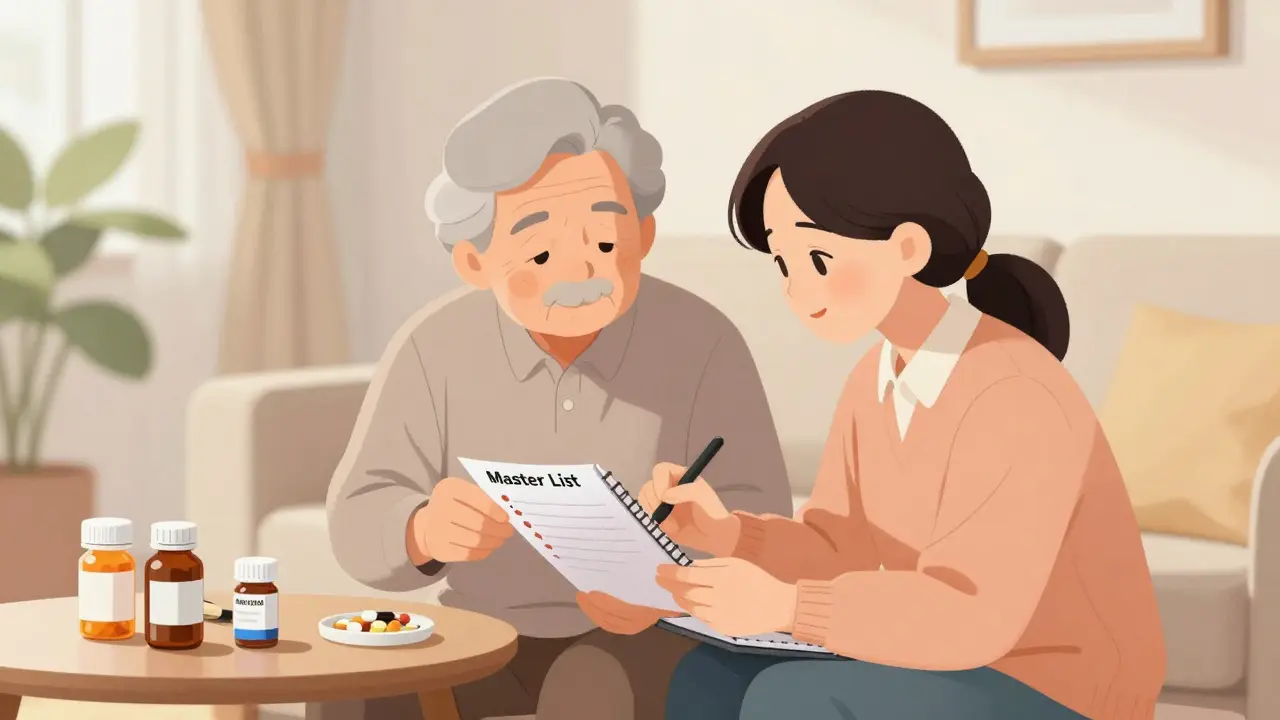
You don't have to be a pharmacist to protect yourself, but you do need to be your own best advocate. The most effective way to prevent a disaster is to maintain a "Master List" of everything that enters your mouth. This includes:
- Prescription medications from all doctors (not just your oncologist).
- Over-the-counter painkillers like ibuprofen or acetaminophen.
- Herbal teas, tinctures, and vitamins.
- Specific dietary staples, like daily grapefruit or high-dose garlic supplements.
Ask your oncology team specifically about "drug-food" interactions at every single treatment cycle. Your body changes throughout the course of chemotherapy, and a supplement that was fine in month one might become dangerous in month four as your organ function shifts.
Can I take a daily multivitamin during chemotherapy?
It depends on the ingredients. Some vitamins, particularly high-dose antioxidants or Vitamin E, can actually interfere with how certain chemotherapy drugs kill cancer cells. Always run your specific vitamin brand by your pharmacist before starting.
Why is grapefruit juice specifically mentioned so often?
Grapefruit contains compounds called furanocoumarins that permanently disable the CYP3A4 enzyme in your gut and liver. Since many chemo drugs rely on this enzyme to be broken down, disabling it can cause the drug levels in your blood to spike to dangerous, toxic levels.
Is it safe to take ibuprofen for pain while on chemo?
Not necessarily. Many chemotherapy agents lower your platelet count, which makes you bleed more easily. NSAIDs like ibuprofen also thin the blood. Combining them can significantly increase your risk of internal bleeding or bruising.
Do oral chemotherapy drugs have more interactions than IV drugs?
Generally, yes. Oral drugs must pass through the digestive system and the liver (the "first-pass effect"), where they are more likely to encounter food, supplements, and other oral medications that compete for the same metabolic enzymes.
What should I do if I suspect a drug interaction is happening?
Contact your oncology nurse or pharmacist immediately. Look for unexpected new side effects, such as sudden skin rashes, unusual bruising, or extreme fatigue that doesn't align with your typical treatment cycle.
Next Steps for Patients and Caregivers
If you are currently managing a treatment plan, start by auditing your medicine cabinet. Remove anything you aren't 100% sure about and bring those bottles to your next appointment. For those caring for an elderly patient, keep a precise log of the timing of every dose; as we've seen with immunotherapies, the exact hour a medication is taken can sometimes be the difference between a safe treatment and a severe reaction.