
Legit vs Rogue Online Pharmacies: Red Flags to Watch for Safe Medication
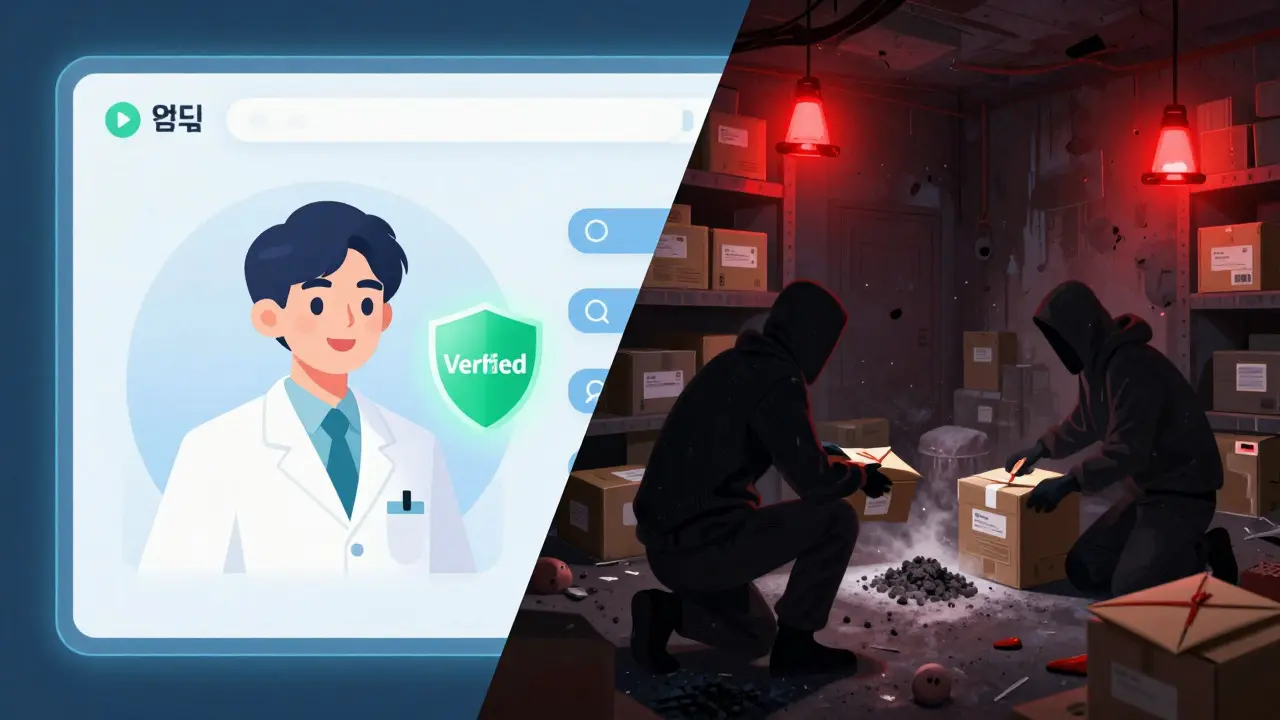
Buying medicine online used to feel like a futuristic convenience. Today, it is often the only way people can afford their prescriptions or access treatments discreetly. But here is the catch: the internet is also the wild west of pharmaceutical sales. You might think you are ordering genuine antibiotics from a reputable source, but you could actually be buying chalk dust mixed with toxic fillers from a basement in another continent. The stakes are high. A 2023 study published in the Journal of Medical Internet Research found that nearly half of the online pharmacies they analyzed were confirmed as rogue operations. That means if you click on a random search result, you have a coin-flip chance of walking into a trap.
We need to talk about how to spot these traps before you hit 'buy'. This isn't just about saving money; it is about keeping your health out of the hands of criminals who care more about your credit card number than your wellbeing. Let's break down exactly what separates a legitimate digital pharmacy from a dangerous rogue site, and give you the tools to verify them yourself.
The Core Difference: Regulation vs. Chaos
At its heart, the difference between a legit and a rogue online pharmacy comes down to one word: accountability. A legitimate online pharmacy operates under strict national regulatory frameworks. They have physical addresses, licensed pharmacists on staff, and they follow laws regarding storage, shipping, and prescription validation. In the US, this often means compliance with the National Association of Boards of Pharmacy (NABP). In the UK, it means being registered with the General Pharmaceutical Council (GPhC).
Rogue online pharmacies, on the other hand, operate outside these safeguards entirely. The NABP defines them as websites that facilitate the sale of prescription drugs while violating federal or state law. They often hide behind international borders to evade jurisdiction. According to data from LegitScript, a leading verification service, approximately 96% of all online pharmacy websites operate illegally. These rogue sites don't just cut corners; they remove the safety rails completely. They sell medications without checking if you even need them, and they ship products that may contain wrong ingredients, incorrect dosages, or harmful contaminants like heavy metals or rat poison.
Top 5 Red Flags to Watch For
You don't need to be a cybersecurity expert to spot a fake pharmacy. Rogue operators leave breadcrumbs everywhere because they are trying to move product fast before getting shut down. Here are the most glaring warning signs based on recent analyses:
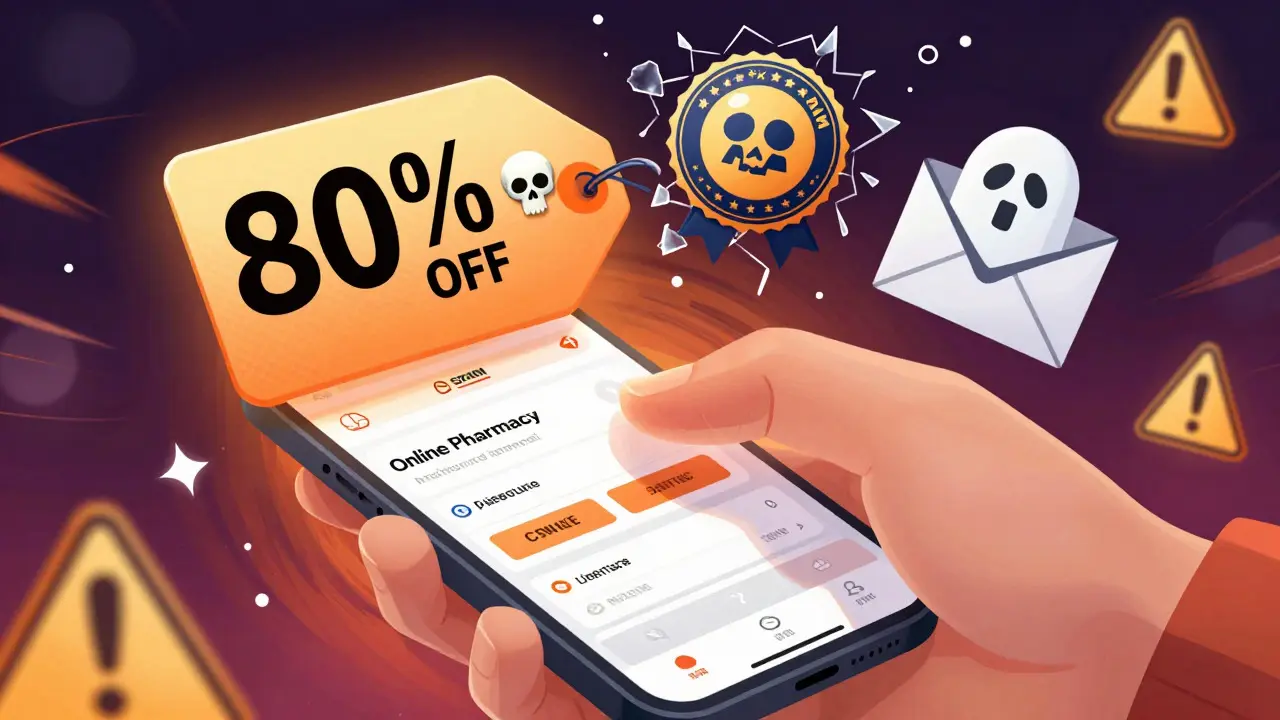
- No Prescription Required: This is the biggest giveaway. If a site lets you buy prescription-only medicines (POMs) like antibiotics, blood pressure meds, or erectile dysfunction drugs without asking for a valid doctor's prescription, run. A 2023 NIH study found that 98.2% of rogue operations did not require prescriptions, compared to 0% of legitimate ones. Real medicine requires real oversight.
- Prices That Defy Logic: We all love a deal, but if a website offers brand-name medication at 70-80% off retail price, something is wrong. Legitimate pharmacies have supply chain costs. Deep discounts are a lure used by 76.4% of rogue sites to hook desperate buyers.
- Fake Verification Seals: Many rogue sites display logos for VIPPS or LegitScript to look trustworthy. However, 41.8% of rogue sites in the JMIR study displayed counterfeit accreditation logos. Don't trust the image; click it. If it doesn't lead to the official verification database, it's a lie.
- Missing Contact Information: A legit pharmacy will list a physical street address and a working phone number. Rogue sites often provide PO boxes, generic email forms, or no contact info at all. One report noted that 89% of rogue sites lacked verifiable contact information.
- Spam Emails: Did you receive an unsolicited email offering cheap Viagra or weight-loss pills? That is a classic tactic. 68.9% of rogue sites use spam to find victims. Legitimate pharmacies rarely, if ever, cold-email customers with deals on controlled substances.
How to Verify an Online Pharmacy
So, how do you prove a site is safe? You need to cross-reference it with official registries. It takes two minutes and could save your life.
| Region | Primary Verification Body | What to Look For |
|---|---|---|
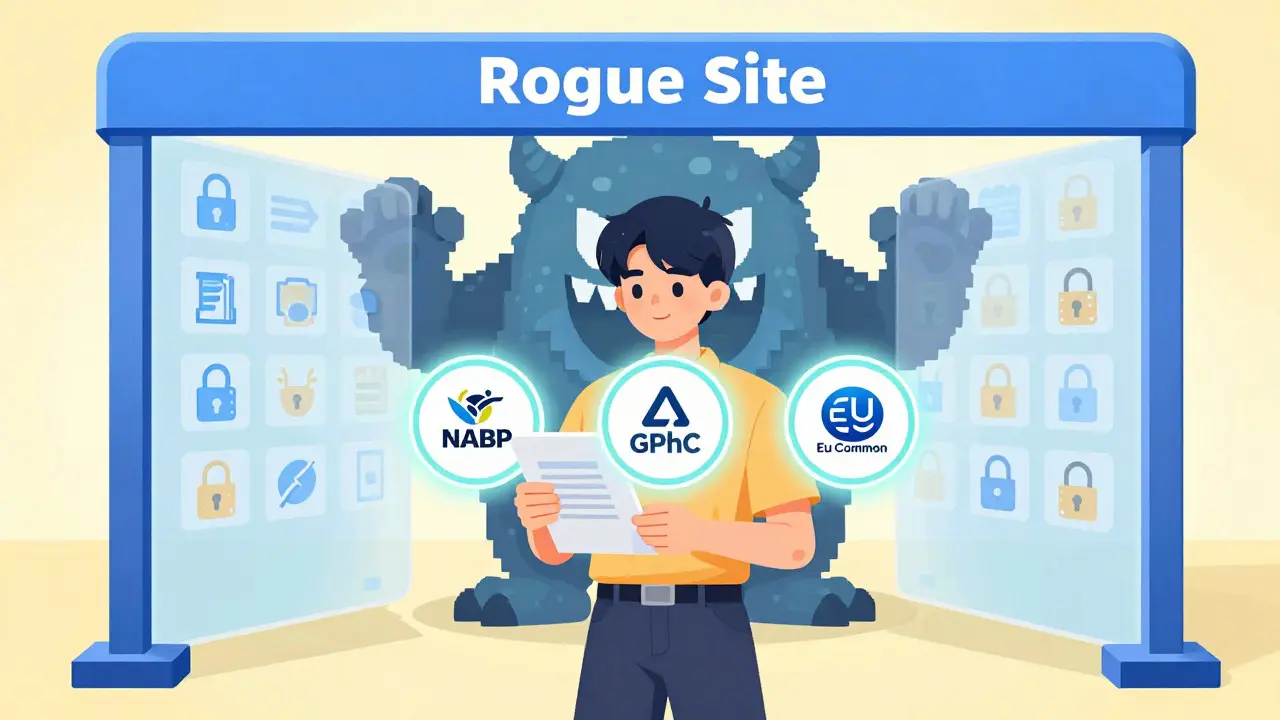
| United States | NABP VIPPS Program | Look for the VIPPS seal. As of late 2021, only 68 US pharmacies held this accreditation. Click the seal to ensure it links to the NABP website. |
| United Kingdom | General Pharmaceutical Council (GPhC) | Search the GPhC online register by trading name or postcode. The site must display the GPhC logo that links to their registration details. |
| European Union | EU Common Logo | Legal EU pharmacies must display a mandatory common logo. Clicking it should redirect you to a government verification page showing their authorization status. |
| Global/Third Party | LegitScript | LegitScript categorizes pharmacies as 'Legitimate', 'Unverified', 'Unapproved', or 'Rogue'. Only trust those marked 'Legitimate'. |
If the verification information isn't easily found on the website's footer or 'About Us' page, assume there is suspicious activity going on. The Independent Pharmacy's 2023 guide emphasizes that transparency is non-negotiable. If they are hiding their license, they are hiding something else too.
The Hidden Dangers of Rogue Medications
Why does this matter beyond just breaking the law? Because the product itself is compromised. The FDA has documented numerous cases where medications from rogue pharmacies contained zero active ingredients, meaning patients with serious conditions went untreated. In worse cases, the pills contained toxic substances. One infamous case involved weight-loss supplements contaminated with sibutramine, a drug banned due to heart attack risks, sold as 'natural' alternatives.
There is also the risk of data theft. Rogue pharmacies are often fronts for cybercriminals. When you enter your credit card and personal details on an unsecured or fraudulent site, you aren't just buying bad meds; you're handing over your identity. With 62% of investigated rogue sites during the 2022 infant formula shortage selling unauthorized products, we see how quickly these operations pivot to exploit public panic.
Why Search Engines Fail Us
You might wonder, "If these sites are so dangerous, why do they show up first on Google?" It is a frustrating reality. Search engine algorithms prioritize engagement and ad revenue, not patient safety. A 2022 report noted that algorithm updates sometimes inadvertently boost rogue pharmacies because they spend heavily on SEO and ads, while legitimate businesses struggle to keep up. You might see a site ranking highly for 'buy ibuprofen' that lacks the required EU common logo. Always scroll past the sponsored results and look for the verified badges manually.
Practical Steps for Safer Buying
To protect yourself, adopt a simple checklist before every purchase:
- Check the URL: Does it look professional? Be wary of domains with strange extensions or misspellings.
- Verify the Pharmacist: Is there a licensed pharmacist available to answer questions? 93.1% of rogue sites lack this feature.
- Confirm the Address: Use IP address lookup tools if you are tech-savvy. If the site claims to be in New York but servers are in a jurisdiction with lax regulations, it is likely rogue.
- Use Secure Payment: Avoid wire transfers or cryptocurrency payments, which are hard to trace. Stick to credit cards that offer fraud protection.
- Consult Your Doctor: If you are unsure, ask your healthcare provider for a recommended online pharmacy. Many clinics now partner with verified telehealth services.
Remember, the global online pharmacy market was valued at $68.7 billion in 2022. While legitimate operations are growing, the rogue sector remains massive and agile. By staying vigilant and using these verification steps, you take back control of your health. Don't let a convenient click cost you your safety.
What is a rogue online pharmacy?
A rogue online pharmacy is a website that sells prescription drugs illegally, often without requiring a valid prescription, lacking proper licensing, and operating outside of established regulatory frameworks. They may sell counterfeit, expired, or contaminated medications.
How can I tell if an online pharmacy is legitimate?
Look for verification seals from recognized bodies like VIPPS (in the US), GPhC (in the UK), or the EU Common Logo. Ensure the site requires a valid prescription, lists a physical address and phone number, and employs a licensed pharmacist for consultation.
Is it safe to buy prescription meds online without a prescription?
Generally, no. While some telehealth services allow online consultations, buying prescription-only medicines without any medical oversight is a major red flag. A 2023 study showed that 98.2% of rogue pharmacies do not require prescriptions, posing significant health risks.
What are the dangers of buying from a rogue pharmacy?
Medications from rogue pharmacies may contain wrong ingredients, incorrect dosages, or harmful contaminants. There is also a high risk of financial fraud and identity theft, as these sites often lack secure payment processing and data protection.
Does LegitScript guarantee a pharmacy is safe?
LegitScript is a third-party verification service that categorizes pharmacies. Only those labeled 'Legitimate' meet strict standards. However, always double-check with official government registries like the NABP or GPhC for the highest level of assurance.
Why do rogue pharmacies appear in search engine results?
Rogue pharmacies often invest heavily in search engine optimization (SEO) and advertising to rank higher than legitimate businesses. Algorithms may prioritize these paid placements, making it crucial for users to manually verify credentials rather than trusting search rankings alone.
What should I do if I suspect my medication is fake?
Stop taking the medication immediately. Consult your doctor for advice and alternative treatment. Report the pharmacy to relevant authorities, such as the FDA in the US or the MHRA in the UK, and consider filing a dispute with your credit card company if you paid electronically.
Are online pharmacies legal?
Yes, many online pharmacies are legal and regulated. They must comply with national laws, hold proper licenses, and adhere to safety standards. The key is distinguishing these legitimate entities from the estimated 96% of illegal rogue operations.