
Chronic Kidney Disease Stages: A Guide to Early Detection and Progression
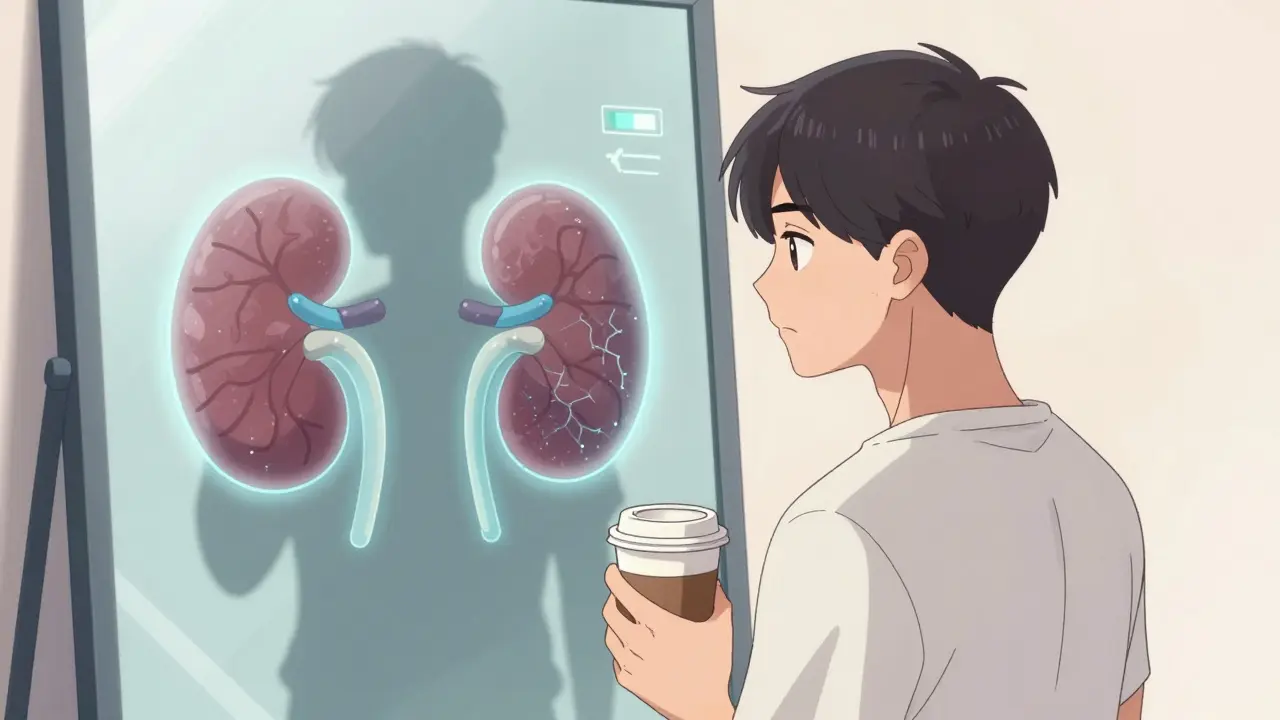
Your kidneys are working hard right now, filtering about 150 liters of blood every single day. But here is the scary part: they can lose up to 90% of their function before you feel a thing. This is why Chronic Kidney Disease (CKD) is often called a silent killer. It creeps up on you, hiding in plain sight until it’s too late for simple fixes. The good news? You don’t have to wait for symptoms. By understanding the stages, knowing what numbers matter, and catching it early, you can stop the slide toward failure.
The Silent Threat: Why Early Detection Matters
You might think you know your body well enough to spot trouble. If your back hurts or you feel tired, maybe your kidneys are struggling? Unfortunately, that logic doesn't hold water with kidney disease. In the early phases-Stages 1 and 2-there are virtually no symptoms. You won’t feel pain. You won’t notice swelling. You will just feel... normal.
This silence is dangerous. Data from the Centers for Disease Control and Prevention (CDC) shows that about 37 million American adults have CKD, yet an estimated 90% of them don’t even know it. Most people find out by accident. Maybe you went in for a knee surgery pre-check, or a routine physical for insurance, and the doctor saw something odd in your blood work. That accidental discovery is often the only warning you get.
Why does this happen? Your kidneys are incredibly resilient. They compensate for lost function by making the remaining healthy filters work harder. It isn’t until the damage is severe that waste builds up in your blood, causing nausea, fatigue, or itching. By then, the window for easy intervention has closed. Early detection isn’t just a medical buzzword; it’s the difference between managing a condition and surviving a crisis.
Understanding the Stages: It’s Not Just One Number
Doctors don’t just say you have "kidney disease." They assign you a stage. This staging system, established by the Kidney Disease: Improving Global Outcomes (KDIGO) organization, turns a vague health problem into a precise roadmap. It helps doctors predict how fast the disease might progress and what treatments will actually help.
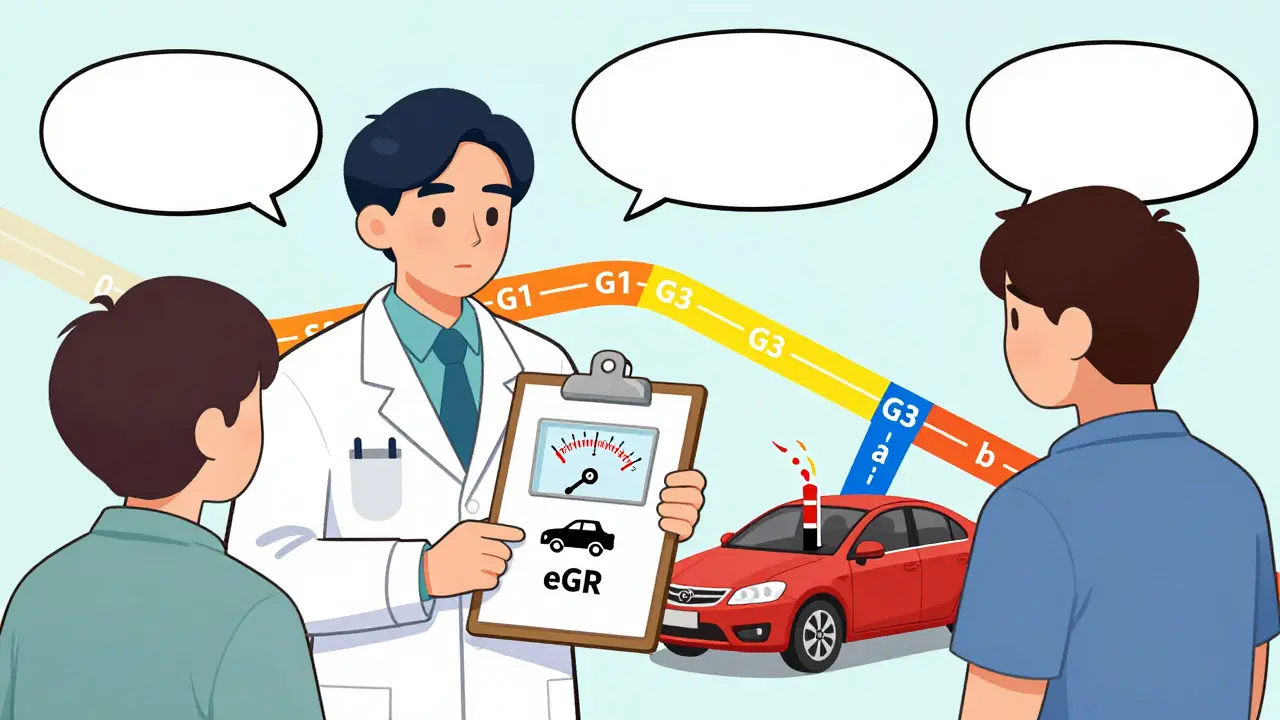
For years, we looked at one main number: your eGFR. Now, we look at two. Think of it like checking your car. eGFR tells you how fast the engine is running (filtration rate), while albuminuria tells you if there’s smoke coming out of the exhaust (leakage). You need both to know the full picture.
| Stage | eGFR Level (mL/min/1.73m²) | Kidney Function Status | Action Required |
|---|---|---|---|
| G1 | ≥ 90 | Normal or high filtration, but with signs of damage (like protein in urine). | Treat underlying cause (e.g., diabetes, hypertension). Annual monitoring. |
| G2 | 60 - 89 | Mildly decreased filtration with evidence of kidney damage. | Monitor closely. Manage risk factors to prevent progression. |
| G3a | 45 - 59 | Mild to moderate decrease in function. | Evaluate complications. Refer to nephrologist if albuminuria is high. |
| G3b | 30 - 44 | Moderate to severe decrease in function. | Manage complications aggressively. Prepare for potential renal replacement therapy. |
| G4 | 15 - 29 | Severe decrease in function. | Prepare for dialysis or transplant. Specialist care is essential. |
| G5 | < 15 | Kidney Failure. | Dialysis or kidney transplantation required for survival. |
Notice the split in Stage 3? That’s crucial. Stage G3a is different from G3b. Patients in G3b have a significantly higher risk of progressing to end-stage renal disease within five years compared to those in G3a. Knowing exactly where you sit on this scale changes everything about your treatment plan.
The Two Pillars of Diagnosis: eGFR and Albuminuria
To understand your stage, you need to understand the tests. There are two primary metrics doctors use, and ignoring either gives you an incomplete story.
1. Glomerular Filtration Rate (eGFR)
Your eGFR is a calculated estimate of how much blood your kidneys filter each minute. It’s derived from a blood test measuring creatinine-a waste product from muscle wear and tear. The standard equation used today is the CKD-EPI 2021 equation, which notably removed race coefficients to provide a more equitable assessment. An eGFR above 90 is generally considered normal. As the number drops, so does your kidney’s efficiency. However, eGFR alone can be misleading in older adults, as kidney function naturally declines slightly with age. A drop might not always mean disease; sometimes, it’s just aging.
2. Albumin-to-Creatinine Ratio (ACR)
While eGFR measures flow, ACR measures leakage. Healthy kidneys keep protein in your blood. Damaged kidneys let albumin (a type of protein) slip into your urine. Doctors measure this using a first-morning urine sample.
- A1: Normal to mildly increased (<3 mg/mmol).
- A2: Moderately increased (3-30 mg/mmol).
- A3: Severely increased (>30 mg/mmol).
Who Is at Risk? Identifying the Vulnerable
CKD doesn’t pick its victims randomly. Certain groups bear the brunt of the disease burden. Understanding these risk factors can help you decide if you need earlier or more frequent screening.
Diabetes and Hypertension: These are the top two drivers of kidney disease. Diabetes accounts for roughly 37% of CKD cases, while high blood pressure causes about 26%. High sugar levels damage the tiny blood vessels in the kidneys over time, and high pressure bursts them like overinflated tires. If you have either condition, annual kidney checks aren’t optional-they’re mandatory.
Race and Ethnicity: Disparities are stark. African Americans are three times more likely to develop CKD than White Americans. Native Americans have some of the highest rates of diabetes-related kidney disease globally. These differences stem from a mix of genetic susceptibility, socioeconomic factors, and unequal access to healthcare.
Family History: If parents or siblings have had kidney failure, your risk skyrockets. Genetic conditions like Polycystic Kidney Disease (PKD) can run in families, causing cysts to grow and destroy kidney tissue.

Living with CKD: Management Across Stages
Getting a diagnosis feels overwhelming, but having a stage gives you power. It tells you what to do next. Here is how management shifts as you move through the continuum.
Stages 1-2: The Warning Zone
In these early stages, the goal is preservation. You aren’t treating kidney failure; you’re preventing it. This means strict control of blood pressure and blood sugar. Doctors often prescribe ACE inhibitors or ARBs-not just for blood pressure, but because these drugs specifically protect the kidneys by reducing pressure inside the filtering units. Lifestyle changes here are potent weapons: quitting smoking, maintaining a healthy weight, and adopting a low-sodium diet can halt progression entirely for many patients.
Stages 3a-3b: The Turning Point
As function dips below 60%, the stakes rise. You may start seeing side effects like anemia (low red blood cell count) or bone weakness because kidneys produce hormones that regulate these systems. In Stage 3b, the risk of rapid decline increases. This is when you typically meet with a Nephrologist-a kidney specialist. They will monitor you for complications and adjust medications that might be toxic to failing kidneys. Some drugs safe for healthy livers can accumulate dangerously in reduced kidney function.
Stages 4-5: Preparation for Replacement
When eGFR falls below 30, you are preparing for the possibility of renal replacement therapy. This doesn’t mean you start dialysis immediately, but you need a plan. Options include:
- Hemodialysis: Filtering blood through a machine, usually done at a center three times a week.
- Peritoneal Dialysis: Using the lining of your abdomen to filter blood, often done at home.
- Kidney Transplant: The gold standard for quality of life, but dependent on donor availability.
The Future of Kidney Care
We are standing on the brink of a diagnostic revolution. For decades, we relied on creatinine, which can be skewed by muscle mass, diet, and age. Newer biomarkers like Cystatin C offer a more accurate picture, especially for elderly patients or those with amputations. Additionally, artificial intelligence tools are being validated to predict progression rates with nearly 90% accuracy by analyzing dozens of clinical variables simultaneously. Imagine knowing your exact trajectory five years out, allowing for hyper-personalized interventions. This future is arriving faster than most expect, shifting CKD from a reactive diagnosis to a proactive management strategy.
Can Chronic Kidney Disease be reversed?
Generally, chronic kidney disease cannot be fully reversed once scarring occurs. However, in early stages (G1-G2), addressing the underlying cause-such as controlling diabetes or blood pressure-can stabilize function and prevent further loss. Acute kidney injury, which is sudden and temporary, can often be reversed, but CKD implies long-term damage lasting over three months.
What foods should I avoid if I have CKD?
Dietary needs change by stage. Generally, limiting sodium (salt) is critical to control blood pressure. In later stages, you may need to restrict potassium and phosphorus, found in bananas, dairy, nuts, and processed meats. Always consult a renal dietitian, as blanket advice can be harmful depending on your specific lab values.
How often should I get tested for kidney disease?
If you have risk factors like diabetes, hypertension, or a family history of kidney disease, you should have your eGFR and urine albumin checked at least once a year. If you are already diagnosed with CKD, testing frequency increases based on your stage, potentially every 3 to 6 months in advanced stages.
Is Stage 3 Kidney Disease serious?
Yes, it requires attention. Stage 3 marks moderate loss of function. While many people live stable lives in Stage 3a, Stage 3b carries a higher risk of progressing to failure. It is the critical window where aggressive management of blood pressure and proteinuria can make the biggest difference in slowing decline.
Does drinking more water help cure CKD?
Staying hydrated is important for overall health, but drinking excessive water does not "flush out" kidney disease or reverse damage. In fact, in advanced stages, too much fluid can be dangerous, leading to swelling and heart strain. Follow your doctor’s guidance on fluid intake rather than self-prescribing large volumes of water.