
Asthma in Children: Mastering Spacer Use, School Plans, and Daily Care

Imagine your child is at recess. They start coughing. Their chest feels tight. You are not there to help them breathe. This is the reality for millions of parents who send their kids to school with asthma, a chronic respiratory condition affecting over 6 million children in the US alone. The difference between a minor scare and an emergency room visit often comes down to three things: using a spacer correctly, having a solid school care plan, and knowing exactly what to do when symptoms flare up.
We used to think nebulizers were the only safe way to treat young children. That changed decades ago. Today, medical experts agree that a metered-dose inhaler (MDI) paired with a spacer is the gold standard. But simply buying the device isn't enough. If your child holds it wrong, or if the school nurse doesn't know how to check it, the medicine hits the roof of their mouth instead of their lungs. Let’s fix that.
Why Spacers Are Non-Negotiable for Kids
A spacer is a valved holding chamber that attaches to an inhaler to improve medication delivery to the lungs. Think of it as a bridge. When you press an inhaler without one, the medicine shoots out as a fast-moving cloud. Most kids can’t inhale fast enough to catch it. It bounces off their teeth and tongue. With a spacer, the medicine sits in the tube. Your child breathes it in slowly and naturally.
The data backs this up hard. A massive review of nearly 1,900 children found that using an MDI with a spacer was just as effective as a nebulizer for mild to moderate attacks. In fact, for kids under five, spacers actually reduced hospital admission rates compared to nebulizers. Why? Because more medicine gets where it needs to go, faster.
But here is the catch: technique matters. Studies show that only about half of children use a spacer effectively on their own. Older kids, especially teenagers, struggle even more because they think they don’t need help anymore. They rush through the steps. That’s why we need to teach them properly, from age four upward.
How to Use a Spacer Correctly (Step-by-Step)
You might think you know how to use a spacer. Do you really? Most people make small mistakes that cut the drug’s effectiveness by half. Follow these exact steps based on guidelines from the Royal Children’s Hospital:
- Shake the inhaler. Always shake the MDI before attaching it to the spacer.
- Attach firmly. Push the inhaler into the end of the spacer until it clicks or fits snugly. Check the arrows; they should point toward the mask or mouthpiece.
- Position the child. Have them sit upright. Relax their shoulders. Ask them to breathe out gently away from the device.
- Seal the mask. If using a mask, place it over the nose and mouth. Press firmly but gently to create a seal. No gaps. Air leaking means medicine leaking.
- Press once. Push the inhaler canister down completely. One puff only.
- Breathe normally. Tell your child to breathe in and out calmly for six breaths (about 30 seconds). Don’t force deep breaths. Just normal breathing draws the mist in.
- Wait. If a second puff is needed, wait one full minute before repeating. This prevents the spacer from fogging up and ensures the lungs absorb the first dose.
Notice step six? Many parents try to make kids take huge, gasping breaths. This causes anxiety and poor coordination. Normal breathing works better because the valve in the spacer keeps the medicine suspended until it’s inhaled.
Maintenance: The Static Electricity Trap
This is the most common mistake I see. Parents wash the spacer with water, dry it with a towel, and put it back in the bag. Big error. Friction creates static electricity. Static charges the plastic walls of the spacer. The medicine particles stick to the sides instead of going into the lungs. You lose up to 50% of the dose.
Here is the right way to clean it:
- Wash the spacer in warm water with a little dish soap once a week.
- Rinse it thoroughly.
- Air dry it overnight. Do not wipe it. Let it drip dry on a rack.
- If it gets wet during use (from saliva), let it air dry before the next use. If your child needs medicine immediately and the spacer is wet, use the inhaler alone rather than a wet spacer. A wet spacer blocks airflow.
Keep a spare spacer in the backpack. Spacers break. They get lost. Having a backup ensures continuity of care.
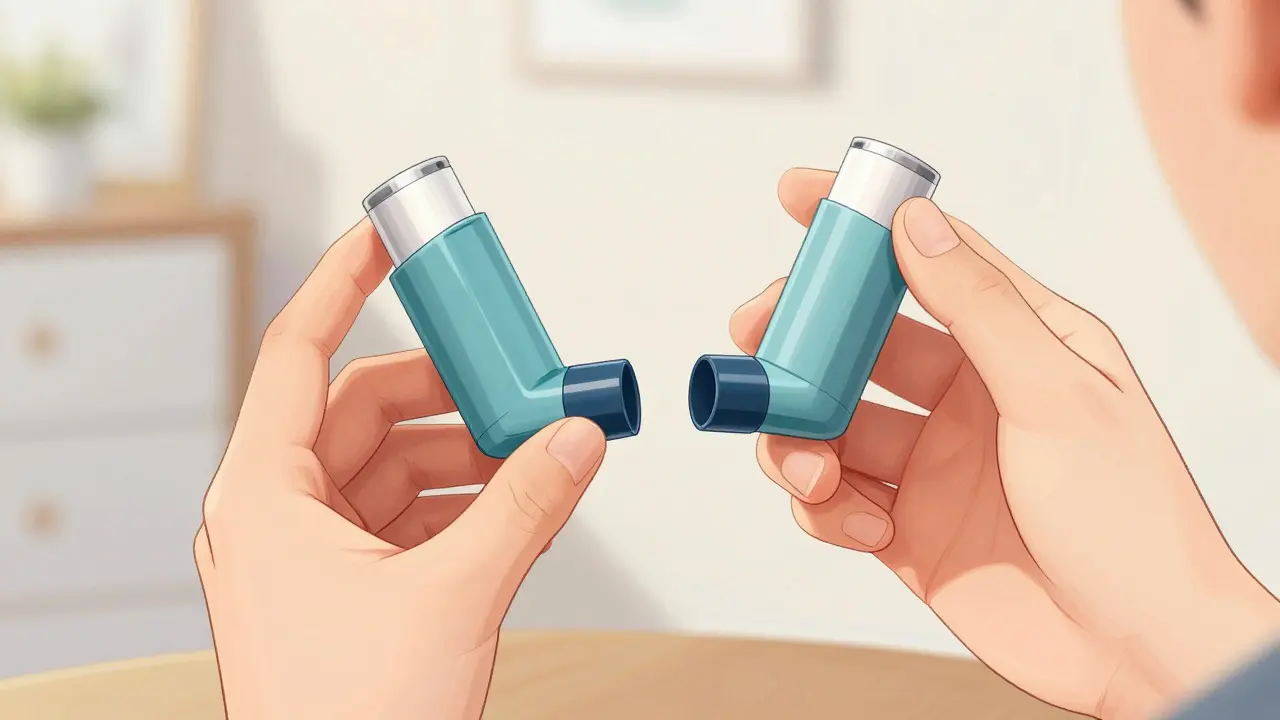
School Asthma Care Plans: More Than Paperwork
Your child spends eight hours a day at school. That’s where allergies, exercise, and stress trigger attacks. A school asthma care plan is a written document detailing a student's asthma triggers, symptoms, and specific treatment instructions for school staff is legally required in many states, but too many schools treat it as a formality.
An effective plan has three zones:
| Zone | Symptoms | Action |
|---|---|---|
| Green | No symptoms, playing normally | Continue daily controller meds. No rescue needed. |
| Yellow | Coughing, wheezing, chest tightness, shortness of breath | Use rescue inhaler with spacer. Wait 20 minutes. If no improvement, move to Red. |
| Red | Severe distress, lips turning blue, unable to speak in full sentences | Give rescue inhaler. Call 911. Notify parent immediately. |
Don’t just hand the paper to the nurse. Meet with the principal, the PE teacher, and the homeroom teacher. Show them the spacer. Let them practice pressing the button. Teachers are terrified of giving medicine. They fear making a mistake. When you demystify the process, they become allies.
In 2023, 42 US states mandated that schools keep asthma medication on-site. But rural schools still lag behind. If your school doesn’t have a protocol, push for one. Cite the CDC’s National Asthma Control Program. Emphasize that proper management reduces absenteeism by 37%. Schools want attendance numbers. Use that leverage.
Empowering Older Kids and Teens
As children grow, they want independence. A ten-year-old might refuse to carry a bulky spacer because it “looks babyish.” A teenager might skip doses to avoid standing out in the hallway. This is dangerous. Adolescents have 80% lower odds of using inhalers correctly compared to younger children.
How do we fix this?
First, choose the right device. Some spacers are smaller and quieter. Look for models designed for older kids. Second, involve them in the conversation. Ask, “What’s annoying about carrying this?” Listen. Maybe they hate the noise. Maybe they worry about running out of puffs. Address the real barrier, not just the medical one.
Third, normalize it. Athletes use braces. Musicians wear earplugs. Asthma management is just part of being healthy. Share stories of famous athletes with asthma-like Michael Phelps or David Beckham-to show that it doesn’t limit potential.
Finally, check their technique every few months. Skills degrade. What worked in third grade might be sloppy in seventh. Schedule a quick check-in with the doctor or pharmacist every six months. Make it routine, not a punishment.

When to Worry: Recognizing Severe Attacks
Most attacks respond to rescue inhalers. But some don’t. Know the red flags that mean “call 911 now”:
- The rescue inhaler provides no relief after 20 minutes.
- The child cannot walk or talk without stopping to breathe.
- Retractions: The skin pulls in between the ribs or at the neck with each breath.
- Lips or fingernails turn blue or gray.
- The child becomes drowsy or confused.
Do not wait. Do not drive to the ER yourself if the child is struggling to breathe. Paramedics can start oxygen and stronger treatments en route. Time is lung function.
Building a Support Network
Asthma management is a team sport. You are the coach. The doctors provide the strategy. The school staff executes the plays. The child is the athlete. Everyone needs to know their role.
Start by creating a binder. Include the signed asthma action plan, insurance cards, and a list of emergency contacts. Give copies to the school nurse, the main office, and keep one in your car. Update it every time the prescription changes.
Connect with other parents. Local asthma foundations often host workshops. Online communities like r/asthma offer real-time advice. Hearing how another parent handled a similar situation can reduce your anxiety significantly.
Remember, the goal isn’t zero symptoms forever. That’s unrealistic. The goal is control. It’s about letting your child run, laugh, and learn without fear. With the right spacer technique, a clear school plan, and open communication, you can achieve that.
Is a spacer necessary for older children and teens?
Yes. While older children may have better coordination, studies show that adolescents often have poorer inhaler technique due to rushing or lack of supervision. Spacers ensure consistent medication delivery regardless of skill level, reducing side effects and improving lung function.
How often should I clean my child's asthma spacer?
Clean the spacer once a week with warm soapy water. Rinse thoroughly and air dry it overnight without wiping. Avoid drying with a cloth, as friction creates static electricity that traps medication on the spacer walls, reducing its effectiveness.
What should be included in a school asthma action plan?
A comprehensive plan includes the child's name, diagnosis, known triggers, current medications, and a color-coded zone system (Green/Yellow/Red) detailing specific actions for each symptom level. It must also list emergency contacts and permission for school staff to administer rescue medication.
Can I use a nebulizer instead of a spacer at school?
While nebulizers are effective, they are less practical for schools due to noise, size, and cleaning requirements. Guidelines recommend MDI with spacer as the preferred method for acute exacerbations in school settings because it is faster, quieter, and equally effective for mild to moderate attacks.
What if my child refuses to use a spacer?
Address the root cause. Is it embarrassment? Bulky design? Try smaller, quieter spacer models designed for older kids. Involve your child in choosing the device. Educate them on how the spacer helps them perform better in sports and activities, framing it as a tool for success rather than a medical burden.
How long should I wait between puffs of the inhaler?
Wait one full minute between puffs. This allows the lungs to absorb the first dose and prevents the spacer from fogging up with moisture, which can block airflow and reduce the amount of medicine delivered in subsequent puffs.
Does washing a spacer with alcohol damage it?
Alcohol wipes can be used for quick disinfection but may increase static charge if not rinsed properly. For weekly cleaning, warm soapy water is recommended. Always air dry completely to minimize static buildup, which attracts medication particles to the spacer walls.
Who should receive a copy of the asthma action plan?
Provide copies to the school nurse, principal, homeroom teacher, physical education instructor, and any after-care providers. Keep one in your home emergency kit and one in your car. Ensure all caregivers understand the color-coded response zones.